A groundbreaking new exhibition at the British Museum reveals the untold history of JapanThe Samurai class, including the fact that half of them werewomen.
Samurai is the initial display to examine how the warrior order's image and legend were created and claims to question all that the general public believes they understand about the Japanese symbols.
Gathering more than 280 items and digital content from the collection along with 29 national and international lenders–with numerous items, including a set of samurai armor being shown for the first time–the screen features weapons, protective gear, artworks, woodcut prints, literature, attire, pottery, and images.
The samurai came into existence during the early medieval era, between 1100 and 1600, when affluent families employed fighters to provide personal protection.
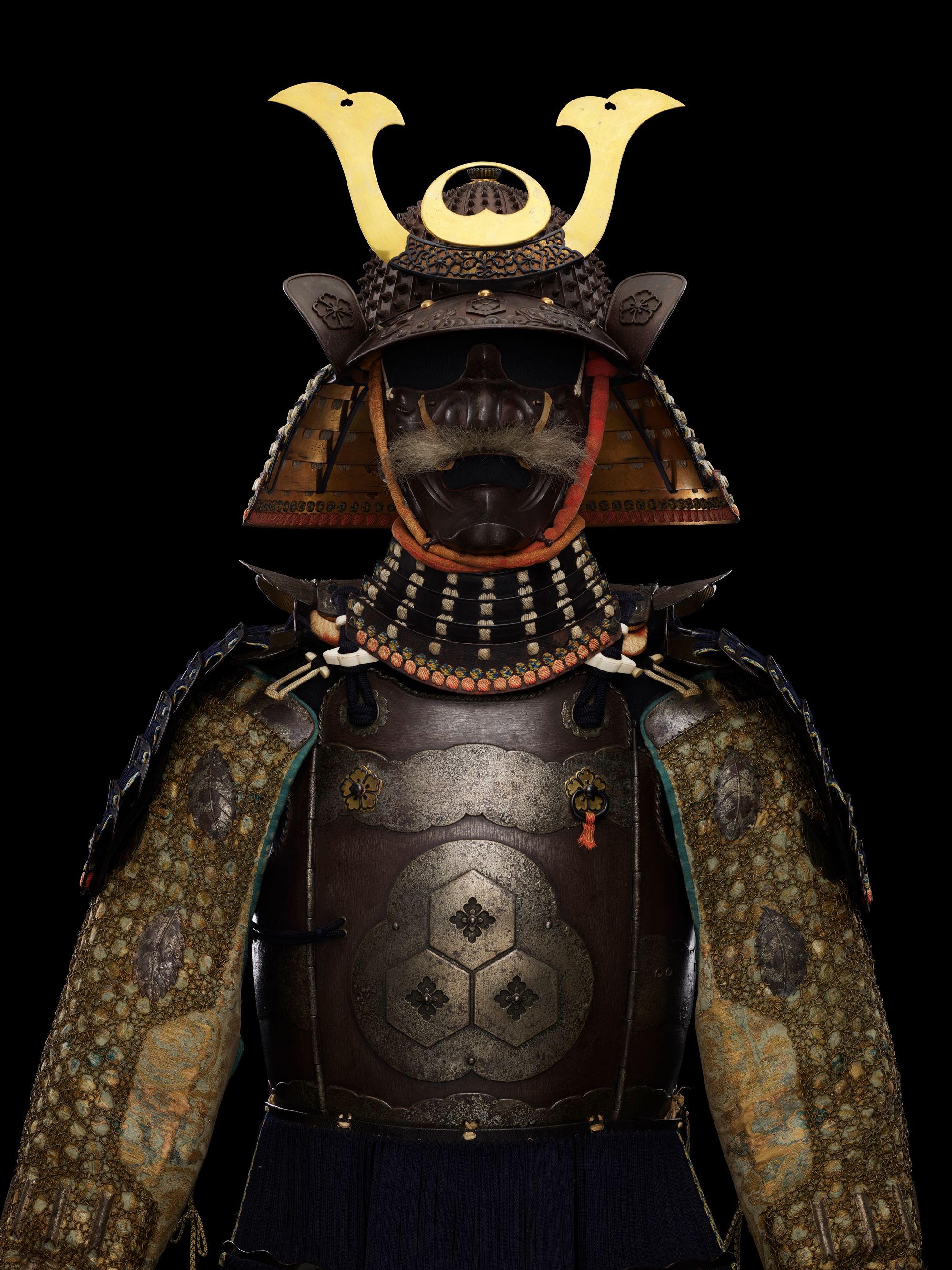
The private military group evolved into a country-based elite and by 1615 had transitioned from combat roles to working as administrative officers, intellectuals, and supporters of artistic endeavors.
This is where half of the samurai class were female, and even though they did not engage in combat, they played a crucial role within the elite group.
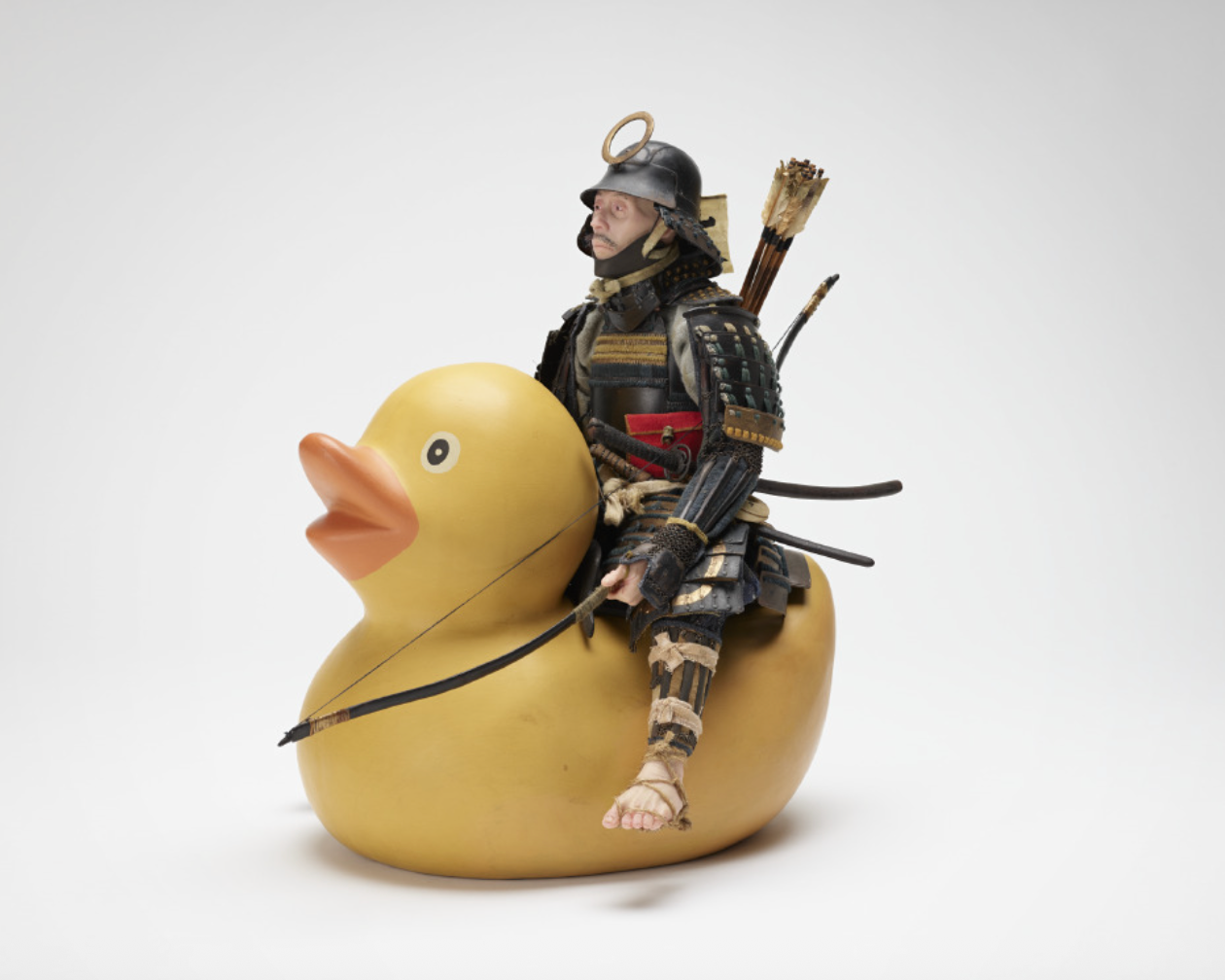
The showcase also highlights the impact of samurais onpopular culturefeaturing a unique section focused on cinema, television, manga, video games, and modern art, which includes pieces created specifically for the exhibition by the renowned Japanese artist Noguchi Tetsuya.
Scholars have always been aware that the general public's perception–as is true with most cultures–"is somewhat distant from the location of their interpretation," Dr Rosina Buckland, curator of Japanese Collections at Asahi Shimbun, statedThe Independent.
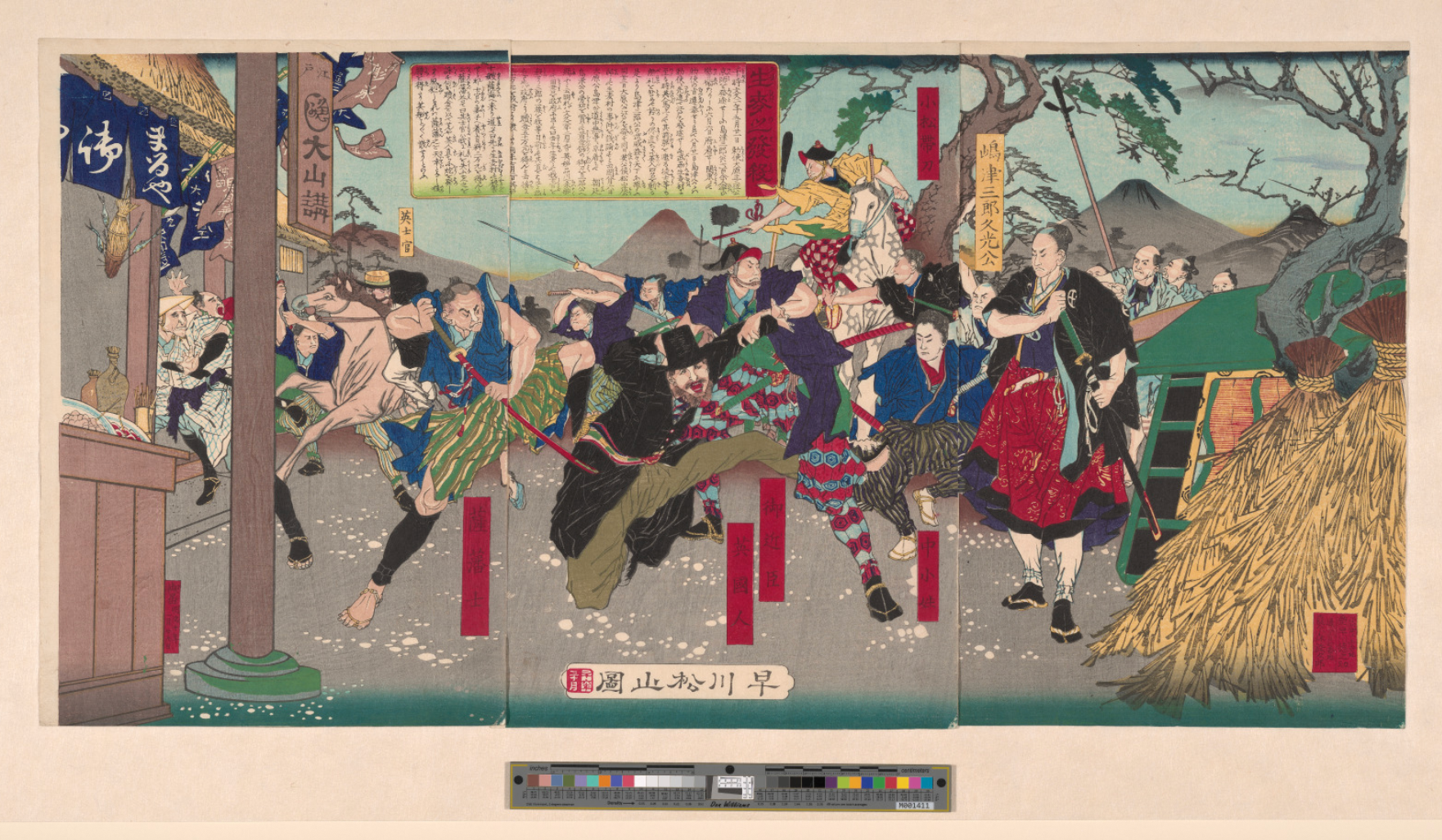
There exists a gap in time and space, along with a widely accepted perception that is readily absorbed, and a description that is simple to grasp is what tends to spread.
Hollywood films and visuals are distributed globally and often shape people's perceptions, although historians understand that deeper investigation reveals a significantly different reality. There is a small element of truth, but it tends to be amplified.
Divided into three parts, the exhibition examines the samurai's role as formidable warriors guided by a code of honour, their transformation into a class of cultural administrators, and their ongoing impact on contemporary popular culture.
Following the cessation of samurai combat in 1615, Dr Buckland notes that a complex and multifaceted cultural environment developed.
They aren't warriors in reality during this time," she states. "They are only warriors in title. They serve as a standing army that never really engages in battle due to 250 years of peace.
So we depict a samurai wearing regular daily attire such as a business suit. We highlight the presence of women. Half of the samurai class were female, and there is a woman's robe along with her everyday hair care items, a grooming set, a hand mirror, and a book on etiquette. This section includes many cultural activities. Books that samurai wrote or artworks they appreciated.
Samurai shows that many of the myths surrounding the group were influenced by politics, sentimentality, and international popular culture, well beyond their time.
During times of peace, especially in the early 20th century—a politically intense era for Japan as it pursued colonial expansion—Dr Buckland notes that the samurai image was used to inspire a sense of national identity.
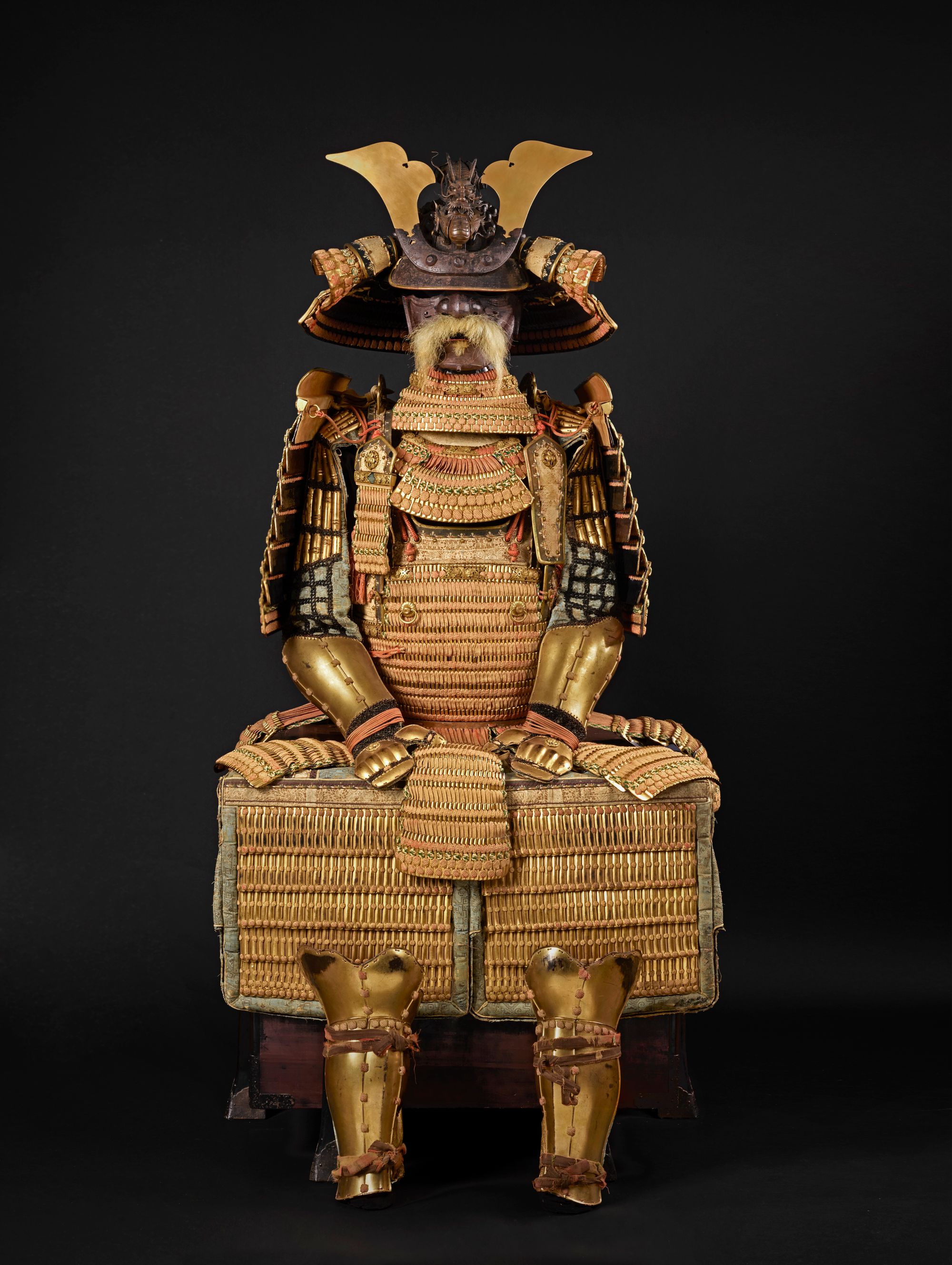
Notable features of the exhibition are a rare set of samurai armor recently added to the Museum's collection, including an esteemed helmet and a golden banner shaped like iris leaves, intended to make the individual both "recognizable and intimidating."
Other items include a vermillion red, woman's firefighting jacket, a rare portrait of a 13-year-old samurai who headed an embassy to the Vatican in 1582. Contemporary displays feature a Louis Vuitton ensemble influenced by Japanese armor and allusions to popular video games likeAssassin’s Creed: Shadows (2025) and Nioh 3 (2026).
We're utilizing this widely recognized term 'samurai' to familiarize people with the depth of Japanese culture and the intricacies of its history, explaining all the various roles they played over the centuries," says Dr Buckland. "As they were the elite, they possessed the finest items, the highest quality objects. This enables us to examine this common perception.
Samurai takes place from 3 February until 4 May 2026.
Individual readers are self-directed global participants. They are not limited by conventional demographics or characteristics, but rather by their perspectives. In today's more divided society, groups appreciate genuine facts and honest views provided directly from a neutral news source they can rely on. Equipped with knowledge and motivation, readers of The Independent are encouraged and prepared to advocate for their convictions.
Comments
Post a Comment