We understand: you likely wouldn't even want to get within 10 feet of a cheese plate that's full of maggots, but some foods gain their reputation simply because they either taste unexpectedly good, appear strange, or could be dangerous. Surprisingly, many people enjoy taking chances, even if it means eating something that might be deadly. If you're the adventurous type, it's wise to be aware of which must-try dishes carry real dangers.
None of this is intended to criticize traditional cuisines or the individuals who cherish them, naturally. Moreover, in today's era, the danger of consuming these perilous dishes is actually quite minimal; that is, provided you order them from trustworthy and licensed establishments and restaurants. However, without more delay, let's explore three of the most hazardous culinary specialties ever.
Casu Marzu
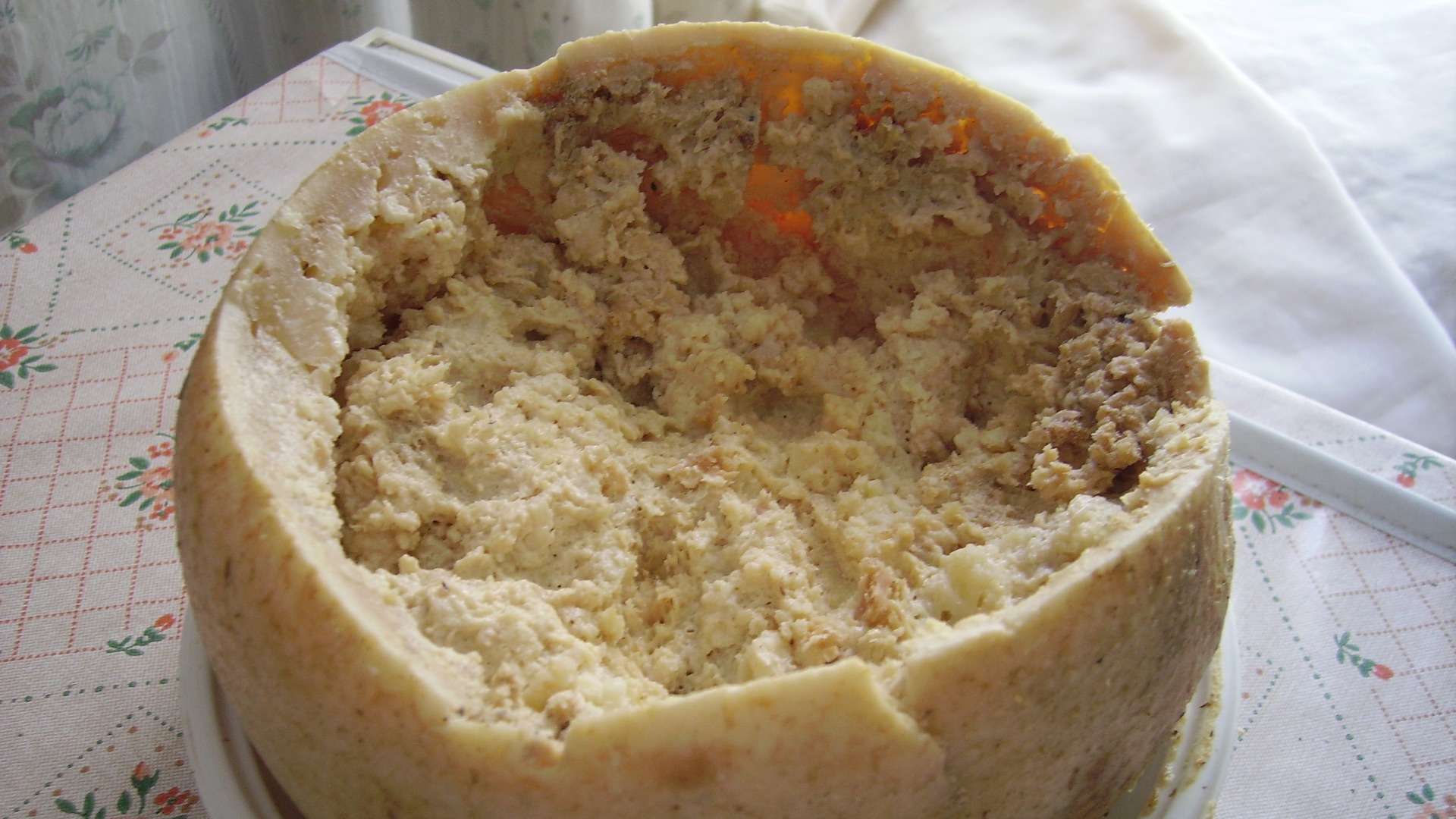
Casu marzu("rotten cheese") is a type of cheese made from sheep's milk in Sardinia, and here's the twist – it deliberately includes live fly larvae from the cheese fly Piophila casei. These larvae aid in a strong fermentation process by breaking down fats, resulting in a very soft and strong-smelling cheese. When it's ready to consume, a block ofcasu marzuwill have thousands of wriggling maggots, still chewing their way through the cheese.
Although it is disturbing to imagine eating cheese containing wriggling worms, the main concern is that live larvae might endure the digestive system and lead to gastrointestinal issues, such asenteric pseudomyiasis, a type of infection where the larvae embeds itself in the tissue of an animal or human and feeds on it. Although there is a risk involved,no such casesso far have been associated withcasu marzuusage, although that does not imply it cannot occur.
Another significant concern is contamination. When you're involved in unregulated fermentation along with insects, you are raising the chances of harmful microorganisms and toxins entering the food. This is whycasu marzuis commonly restricted from being sold commercially in Italy and is banned throughout the EU market under general "unsafe food" regulations, even though Sardinians manage to obtain it somehow and consume it anyway. If you come across it, the best choice is to avoid it—though you might still feel tempted to try it just for the wriggling and jumping experience.
Fugu
Fugu, the Japanese word for pufferfish, is well-known for one particular reason:tetrodotoxin. This toxin can lead to quick neurological symptoms that develop into paralysis and breathing difficulties if a sufficient amount is consumed. The Centers for Disease Control and Prevention (CDC) notes this clearly: pufferfish poisoning is most frequently seen in Japan, and may cause symptoms such as tingling, dizziness, and paralysis, with symptoms appearing between 10 minutes and four hours after ingestion.
Here’s the kicker: there’s no specific cure for tetrodotoxin. The clinical approach is primarily supportive—maintaining the airway and respiration, monitoring the heart, and allowing time for the toxin to be processed. Safety and research guidelines highlight that tetrodotoxin inhibits sodium channels, which is why weakness may progress to severe respiratory issues.
Why do people continue to consume it? Because expert preparation can minimize the risks, and Japan enforces strict professional handling in various areas through licensing and training programs, particularly in restaurants. The greatest risk usually arises from untrained preparation or incorrect sourcing, rather than from a qualified chef adhering to rigorous procedures. If you're interested in trying it, make sure to do so only at a well-known restaurant that has a reputation for compliance and expertise, and never, under any circumstances, attempt to prepare it yourself.fuguat home by yourself.
Larb
Larb (also known as laab or laap) is a traditional Lao and Thai dish made from minced meat, flavored with lime, fish sauce, herbs, and crushed rice powder. It sounds tasty, doesn't it? However, the preparation can vary depending on the style and location, with the meat either fully cooked or served raw. This difference significantly affects the risk involved. Raw minced meat has a larger surface area that can harbor harmful bacteria, and combining it with acidic ingredients and spices does not guarantee the elimination of these pathogens.
If larb is prepared using raw or undercooked pork, beef, or chicken, you're entering the realm of common foodborne illness risks. Health authorities regularly highlight bacteria such as Salmonella and enterohemorrhagic E. coli as significant dangers in tainted food, with ground or minced dishes being particularly risky if temperature management isn't properly maintained. Parasites also pose a threat: the CDC advises that consuming raw or undercooked meat from specific animals can lead totrichinosis(or trichinosis). Uncooked pork, especially, can infect you withStreptococcus suis.
If you enjoy larb, the sensible choice is to go for the cooked options. It may appear exciting to taste it raw, but it's strongly recommended that you avoid doing so.The United States Department of AgricultureSuggests cooking meat to safe internal temperatures (such as 165°F for poultry and the suitable levels for ground meats) instead of depending on appearance or feel. While restaurants may still make errors, you can reduce the risk by choosing well-cooked larb and steering clear of any establishment that appears too casual about storage, cooling, handling, and cross-contamination. It's wonderful to explore new foods and cultures, but the main thing is to do it in a safe manner.
Comments
Post a Comment