How far back does the long history of Italian olives and oil go? Mynew research, combining and reassessing previous archaeological findings, indicates that olive trees have been used for over 6,000 years. The initial production of Italian olive oil may have occurred around 4,000 years ago.
Olive trees played a significant role in ancient life in Italy. Both wild and cultivated olives produced edible fruit. By the middle of the first millennium BCE onwards,Roman period, olive oil was utilized for cooking, medical purposes, ceremonies, and personal cleanliness.
Table olives are high in calories, fats, vitamins, and minerals, and contain significant amounts of calcium. Olive wood is hard and was traditionally used for making items, building structures, and as a source of fuel. The residue from olive pressing (pomace) was also exceptionally popular in both home and commercial settingsfuel sourcein ancient times, it burned at a higher temperature for a longer duration and produced less smoke compared to charcoal.
The olive tree and its fruit had a wide range of applications.
During the early Roman Empire(approximately first century CE) it is estimated that Rome's surrounding area generated 9.7 million litres of olive oil annually.
Today, Italy continues to be among the topolive producing regions in the Mediterranean.
A comprehensive history of olive usage
Evidence from ancient pollen indicates that olive trees existed in Italy during thePleistocene, over 11,000 years ago. These were probably wild olives.
To consider exploitation and farming, it's essential to understand how people engage with the plant and its produce.
Charcoal from an olive tree, implying human activity, has been discovered inMesolithicstrata dating back to the seventh and sixth millennia BCE (8,000 years ago) in Sicily and Apulia, southern Italy.
In northern Italy, the Arene Candide cave in Liguria uncovered olive charcoal together withquern stonesand sickle blades, potentially utilized for basic olive gathering and preparation. At this period, individuals started to modify the environment of wild olive trees by using timber as a heat source, gathering natural fruits or trimming branches for animal feed.
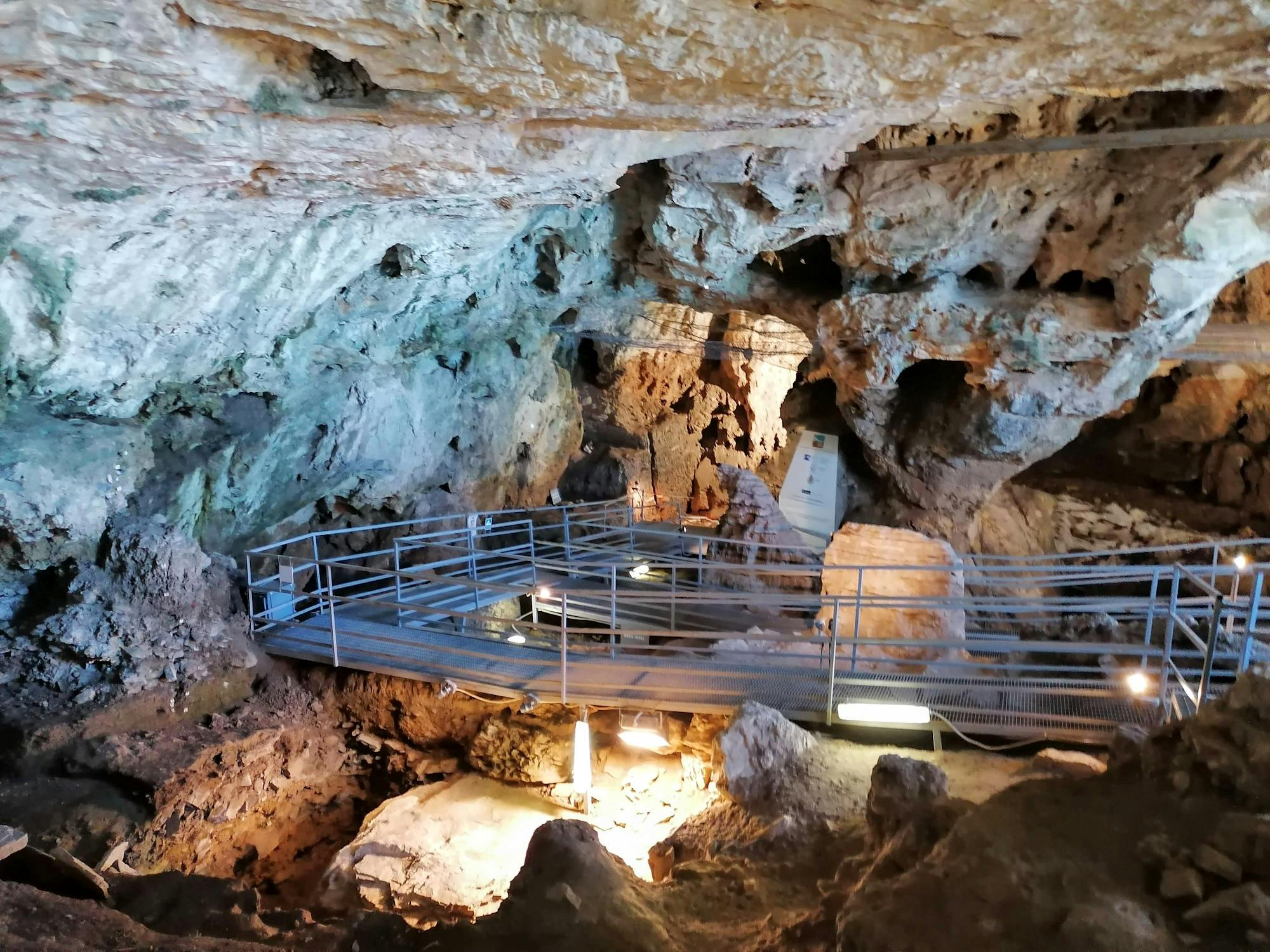
A rapid rise in evidence takes place in theNeolithic(6000–3500 BCE), suggesting a more significant utilization of the olive tree.
However, the earliest olive pits that offer more reliable proof of olive fruit consumption are not discovered in a settlement context until the Middle Neolithic period (approximately 5000–4000 BCE). A significant portion of this early material has been found in Calabria, Apulia, and Sardinia, with only occasional findings in central Italy and the Veneto region.
Although there is growing evidence, no definitive indicators have been found yet regarding the Neolithic production of olive oil in Italy.
The first olive oil in Italy?
Organic residue analysishas identified plant oils, possibly from olives, in anEarly Bronze Age(2000 BCE) large earthenware storage vessel (pithos) from Castelluccio, Sicily. However, there are stillchallengesin our capacity to differentiate between various kinds of oils through this method, and the conservation in the Mediterranean is seldom optimal.
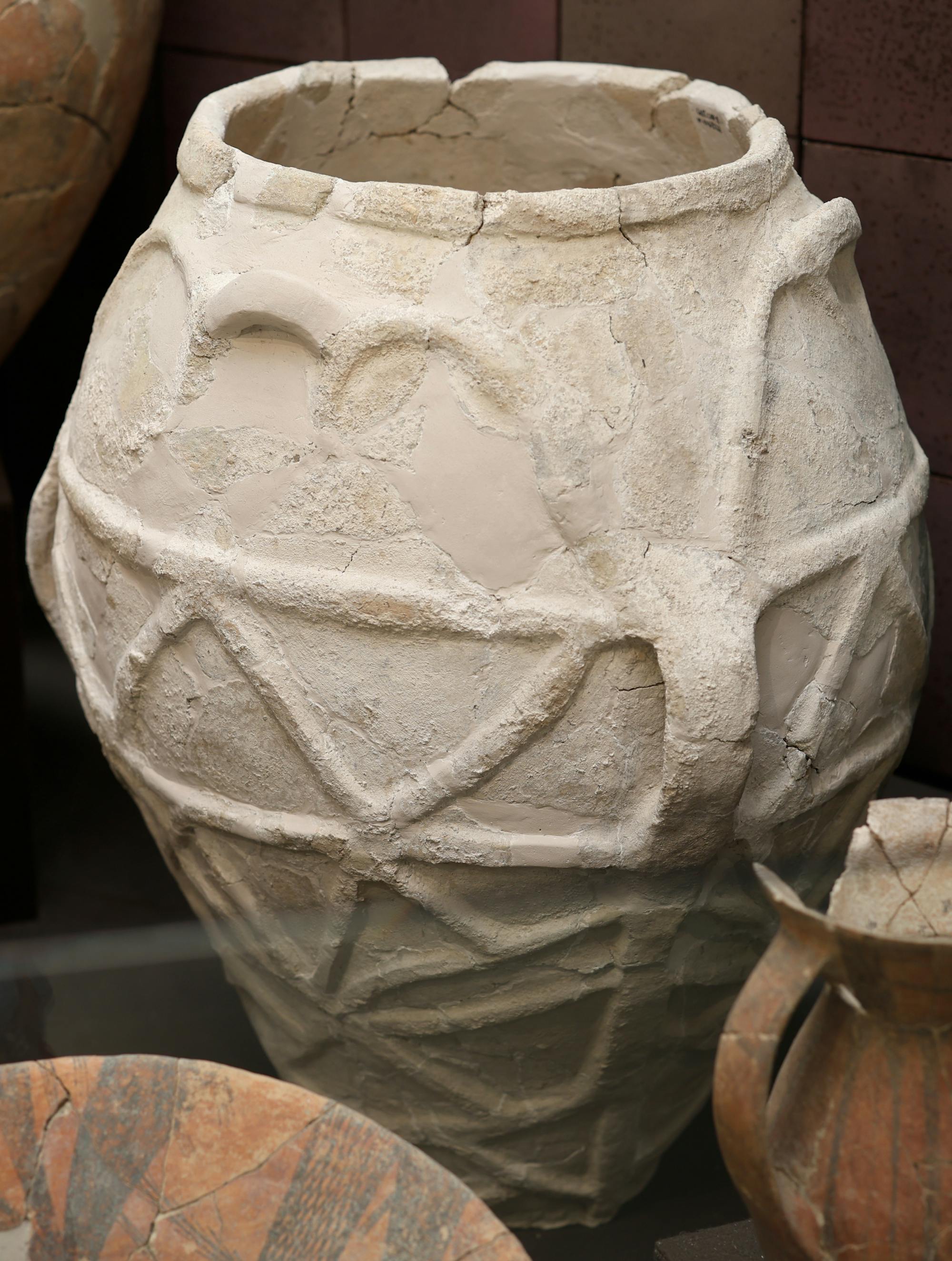
Further possible signs of olive oil have been discovered in clay storage containers from Broglio di Trebisacce, Calabria, and Roca Vecchia, Apulia, dating back to the middle of the second millennium BCE.
The Bronze Age also witnessed the expansion of olive farming into less suitable areas where wild olives were not present, such as Tufariello in Campania, around 1700 BCE. It is evident that there was considerable focus on utilizing olives in Bronze Age Italy, which probably involved the production of oil, albeit on a limited scale.
Iron Age developments
Around 1000 BCE, various Italian regions followed distinct developmental paths. In southern Italy, there were reductions in olive farming, potentially connected to evolving economic and cultural factors. Locations along the Ionian and Adriatic coasts continue to display evidence of olive charcoal, stones, oil remnants, and even impressions of olive leaves on pottery.
Read more: Recreating history: with Ancient Egyptian methods, I prepared tasty olive oil at home – and you're able to do the same
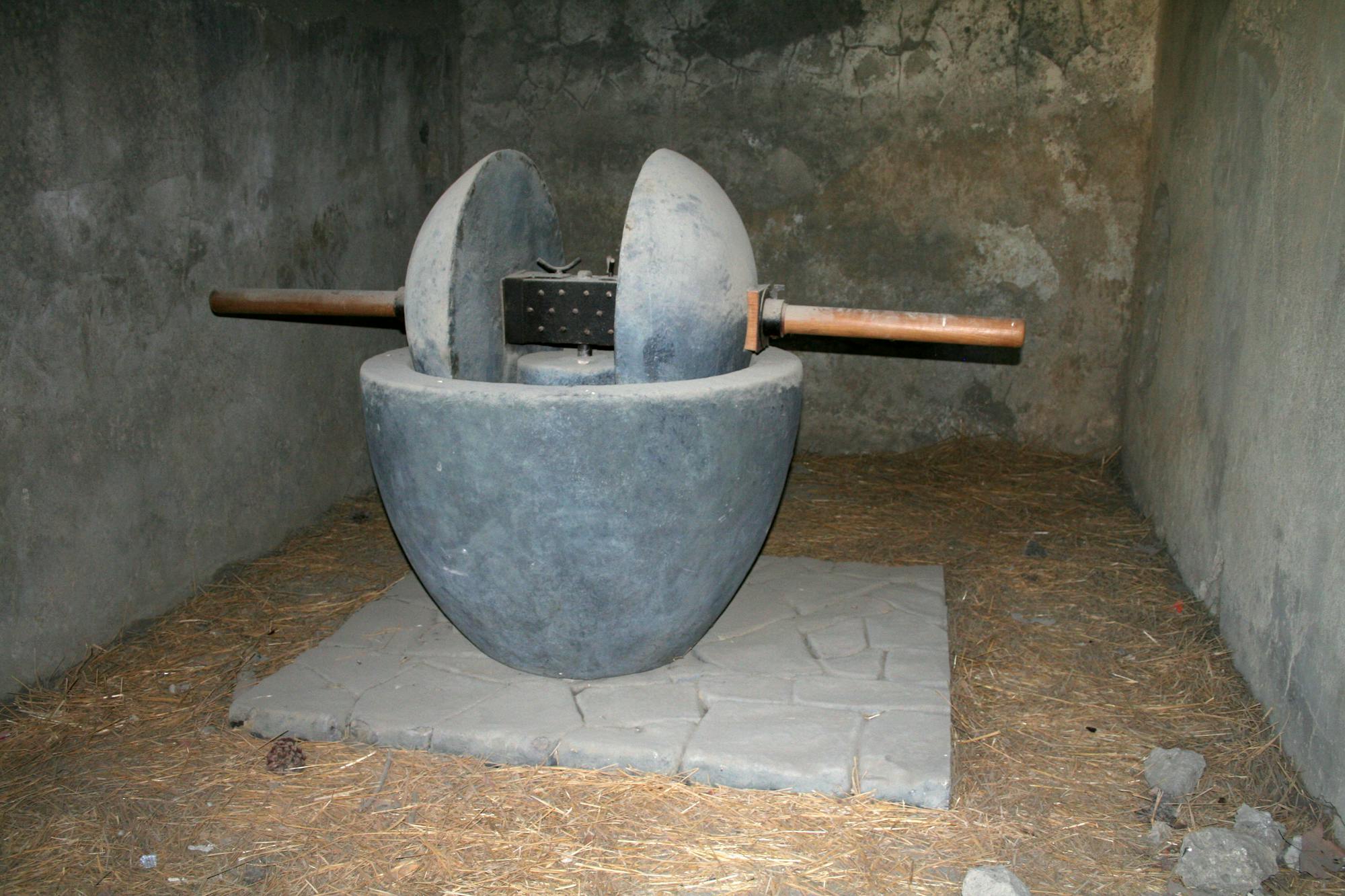
One of the oldest stone rotary olive millstones found in the Mediterranean was uncovered at Incoronata in Basilicata, dating back to the seventh century BCE.
The development of rotary mills marked a significant shift in processing power and effectiveness. These mills crushed olives, removing the skin from the flesh prior to pressing for oil. Although they aregenerally thoughtto begin in the Aegean, whereexamplesDating from the sixth and fifth centuries BCE, the artifact found at Incoronata could instead indicate a central Mediterranean origin.
Recent research demonstrates external cultures, like Phoenicians or Greeks, were not the only ones responsible for introducing olive farming or oil production. This followssimilar conclusionsreached out to viticulture and wine production in Italy.
The sharing of culture via trade and colonization introduced various knowledge, technologies, and methods related to oleiculture and oil production, leading to platforms for local creativity.
These influences heightened the already-growing agricultural practices. By approximately 600–500 BCE,Etruscancommunities started to have a significant role in the organized creation of olive groves and the utilization of olives in central Italy.
The Roman expansion and growth
During the Roman era, olive farming extended beyond its typical environmental boundaries. Olive trees were cultivated at higher elevations, farther north, and in drier areas.
Manufacturing took place throughout much of the Italian peninsula, including in subalpine areas and less fertile regions.
Archaeological and ancient environmental samples demonstrate a significant tradition of oil production and the development of a growing market inRoman Republicanand Ancient Rome – possibly on a greater scale than previously believed.
Some oil processing plants could have featured four or more presses. This demonstrates an extraordinary level of processing capacity, such as theelite villa of Vacone in central Italy.
A site in Apulia, which was in use from the first century BCE, featured an oil storage area containing around 47 massive clay jars (dolia), possibly holding 25,000–35,000 litres.
Oil extraction also took place on a smaller scale inurban centresand remote rural areas. Thediscoverya view of a production facility at Case Nuove, Tuscany, offers an uncommon look at small-scale olive processing employing basic techniques.
As advancements in analytical and scientific methods progress, the ancient history of olive oil in Italy will keep developing, extending our understanding deeper into the past and introducing additional details and complexity.
Emlyn Dodd is not employed by, advises, owns shares in, or receives financial support from any organization that would gain from this article, and has revealed no pertinent affiliations aside from their academic position.
Comments
Post a Comment