The 1960s marked an era of dynamic, high-speed fighter jets, with the United States developing some of the finest aircraft during this period.
Sophisticated, distinctive, extremely noisy, and frequently highly perilous, these were among the most thrilling aircraft ever developed. Here are 10 of the most Charismatic American Warplanes from the Sixties.
10: Lockheed F-104 Starfighter
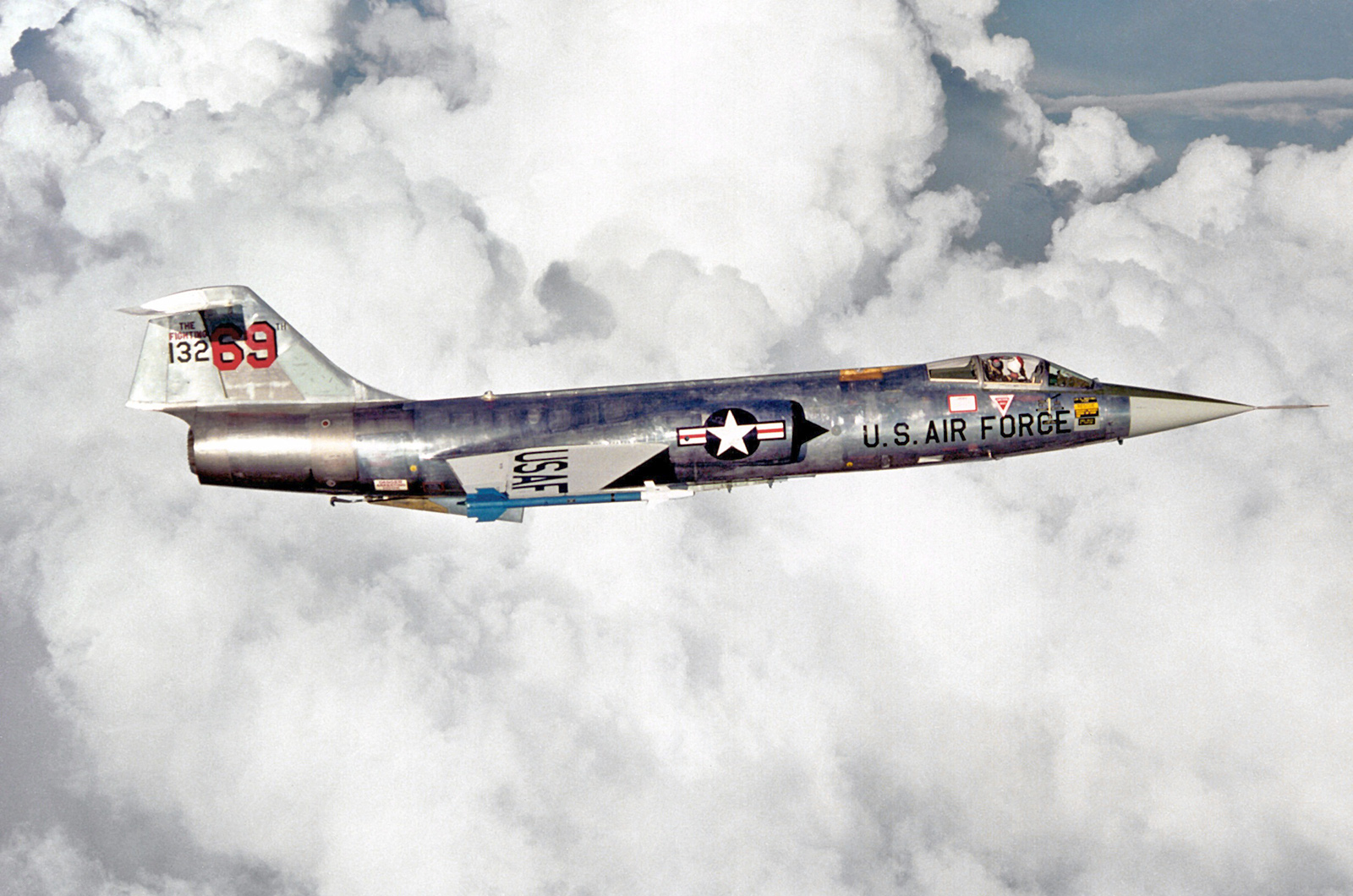
Important lessons from the Korean War highlighted that superior performance was crucial for fighter planes. Bearing this in mind, renowned aircraft engineer Clarence 'Kelly' Johnson from Lockheed designed a fighter intended to surpass the Soviet MiG-15. It was engineered to be exceptionally fast, sacrificing maneuverability, and featured very small wings. It was promoted as 'the missile with a pilot inside'.
The F-104 began operational use in 1958, featuring a 20-mm M61 Vulcan cannon and AIM-9B missiles mounted on its wings, and saw deployment during the Second Taiwan Crisis that same year. It was later sold to Belgium, Canada, Denmark, West Germany, Greece, Italy, Japan, Jordan, the Netherlands, Norway, Pakistan, Spain, Taiwan, and Turkey.
10: Lockheed F-104 Starfighter
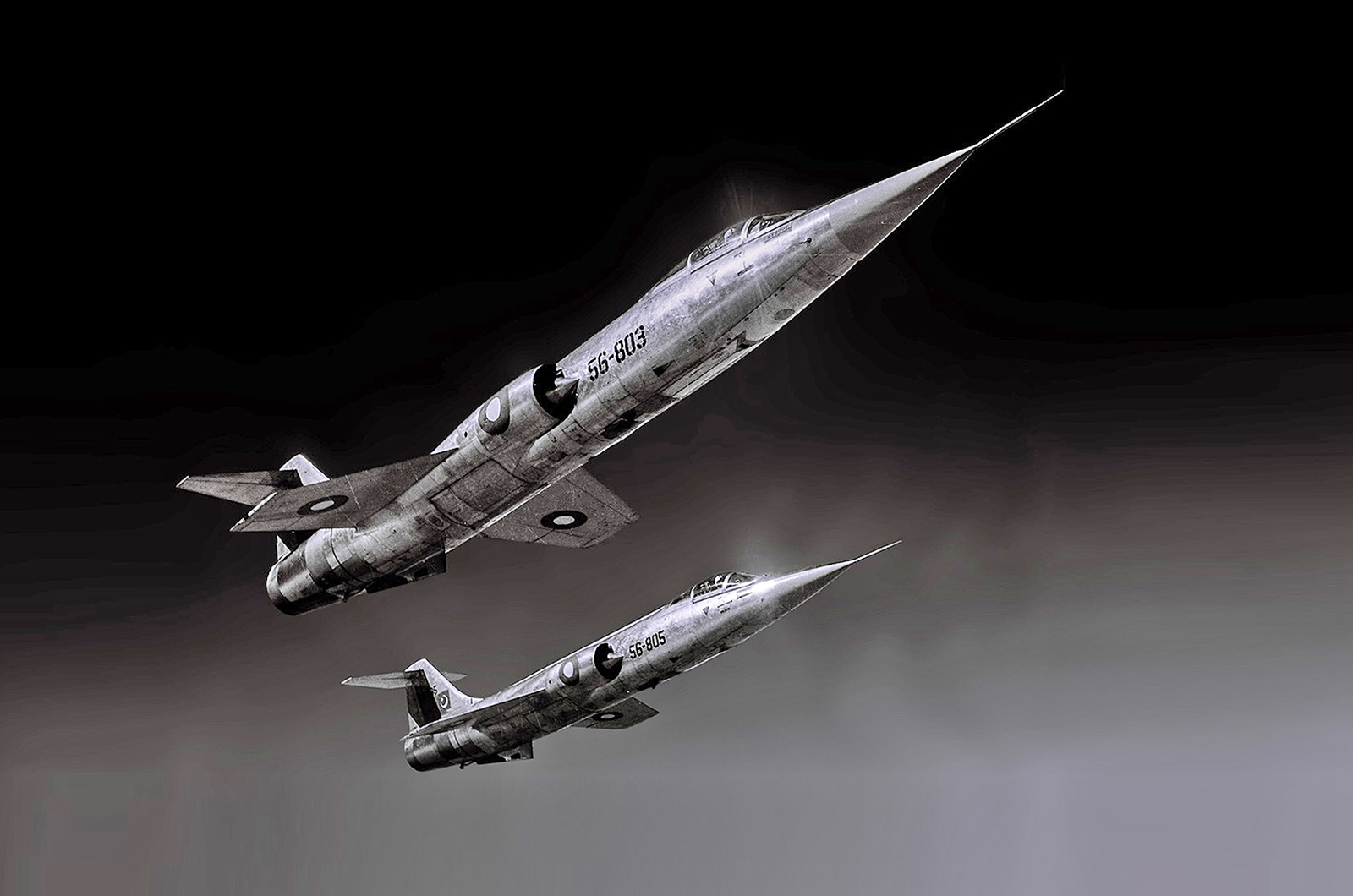
The F-104 was designed to excel in performance above Mach 1.2 at high altitudes, and if employed for unexpected 'hit and run' strikes, it could present a significant threat. However, if engaged in a turning battle, it became susceptible to attacks. At lower altitudes, it was capable of achieving an impressive speed of 690mph. It offered a highly stable platform, making it effective as a nuclear delivery system.
Although it had impressive interception capabilities and an AN/ASG-14T1 radar (used in initial models) that could detect targets up to 20 miles away and track them within 10 miles, the F-104s faced issues with limited range, outdated electronics, and an occasionally unreliable early J79-GE-3B afterburner. Worse still, the initial models were equipped with the Stanley C-1 downward ejection seat, and following several fatalities, the C-2 upward-firing variant was installed.
9: Lockheed AH-56A Cheyenne
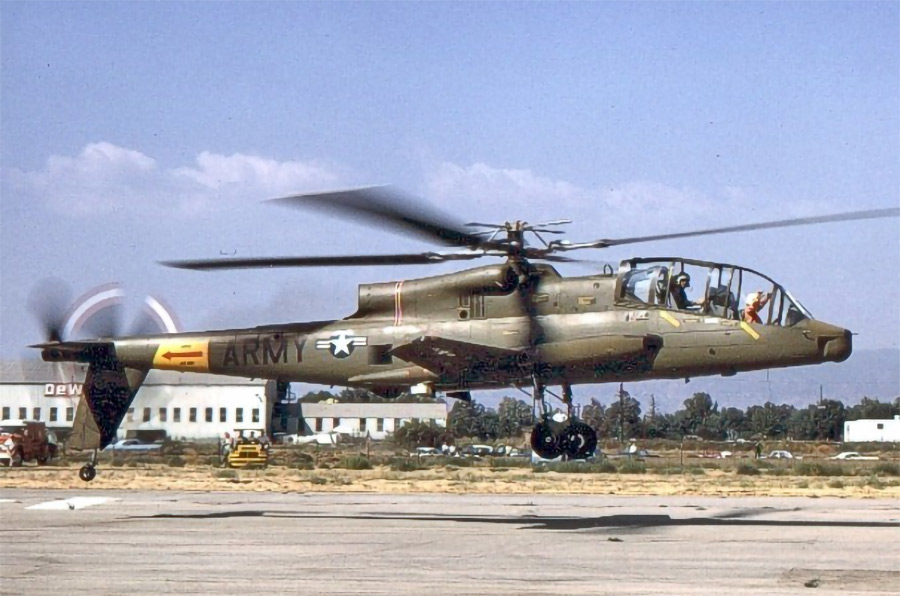
Although the Lockheed AH-56A Cheyenne wasn't technically a 'warplane' and never saw active deployment, it was so captivating that we couldn't help but feature it. Quick, powerful, and advanced, the Cheyenne was an impressive aircraft. However, its timing was unfortunate.
The Cheyenne was an aggressive attack helicopter featuring wings and a 'pusher propeller'. It could reach speeds of 244 mph, remarkably fast for a helicopter and was heavily armed. It could be equipped with guns, grenade launchers, unguided rockets, and guided missiles.
9: Lockheed AH-56A Cheyenne
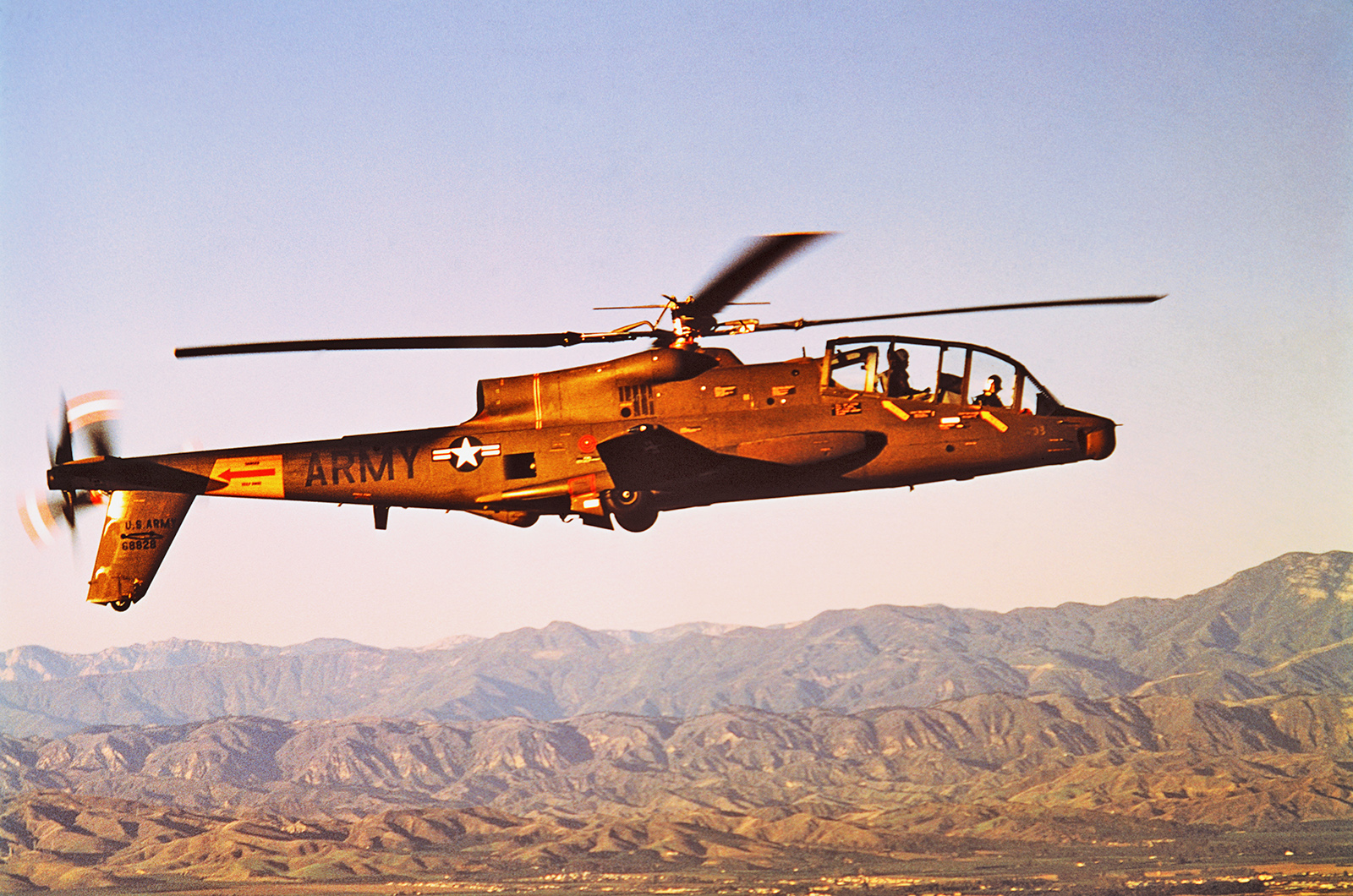
It emerged during a period when the USAF was seeking to validate the A-10's role in Close Air Support, while President Nixon was working to challenge the choices made by his predecessor. The Cheyenne's aircraft-style performance encroached on the interests of the US Air Force, and its intricacy frightened the US Army, which would have been responsible for its operation.
A fatal accident involving a prototype and delays in the budget were the last blows to its fate. Its performance metrics and armament capabilities are still remarkable, more than 50 years after it was scrapped.
8: North American F-100 Super Sabre
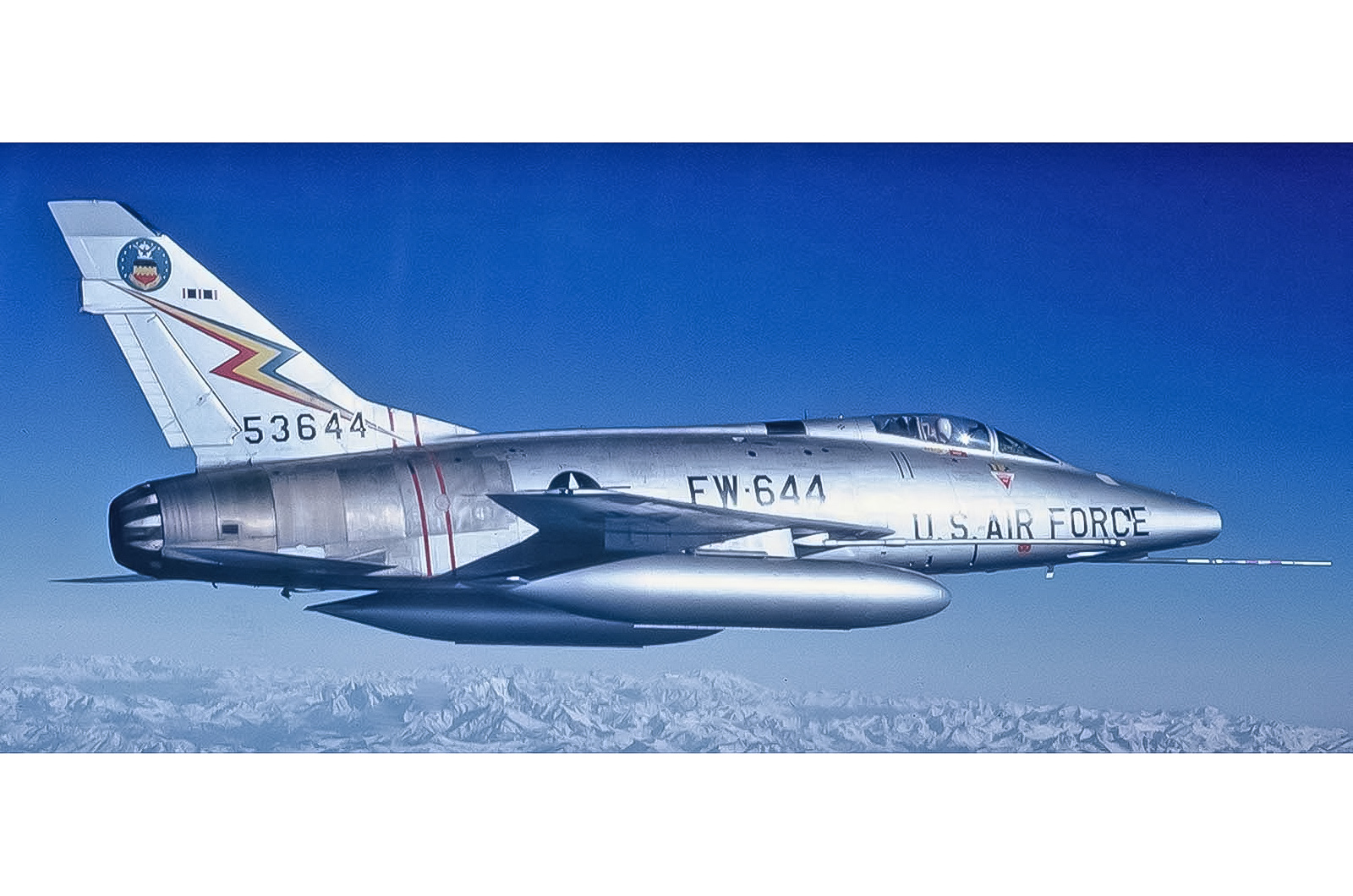
Born as a 'son of' the famous F-86 Sabre, the F-100A model, which entered service with the USAF in 1954, was designed with intelligent concepts and improved aerodynamics. It served as a fast interceptor capable of escaping difficult situations, but it demanded constant attention during flight maneuvers.
It featured a low thrust-to-weight ratio of 0.55 and average wing loading, yet it was capable of flying "severely supersonic." When introduced in the 1950s, it could engage the B-47, which was considered cutting-edge for strategic bombing, at high altitudes – a development that caused frustration for the Strategic Air Command. Although it offered impressive performance and was equipped with four 20-mm cannons carrying 200 rounds each, it was challenging for the typical squadron pilot, as evidenced by numerous accidents.
8: North American F-100 Super Sabre
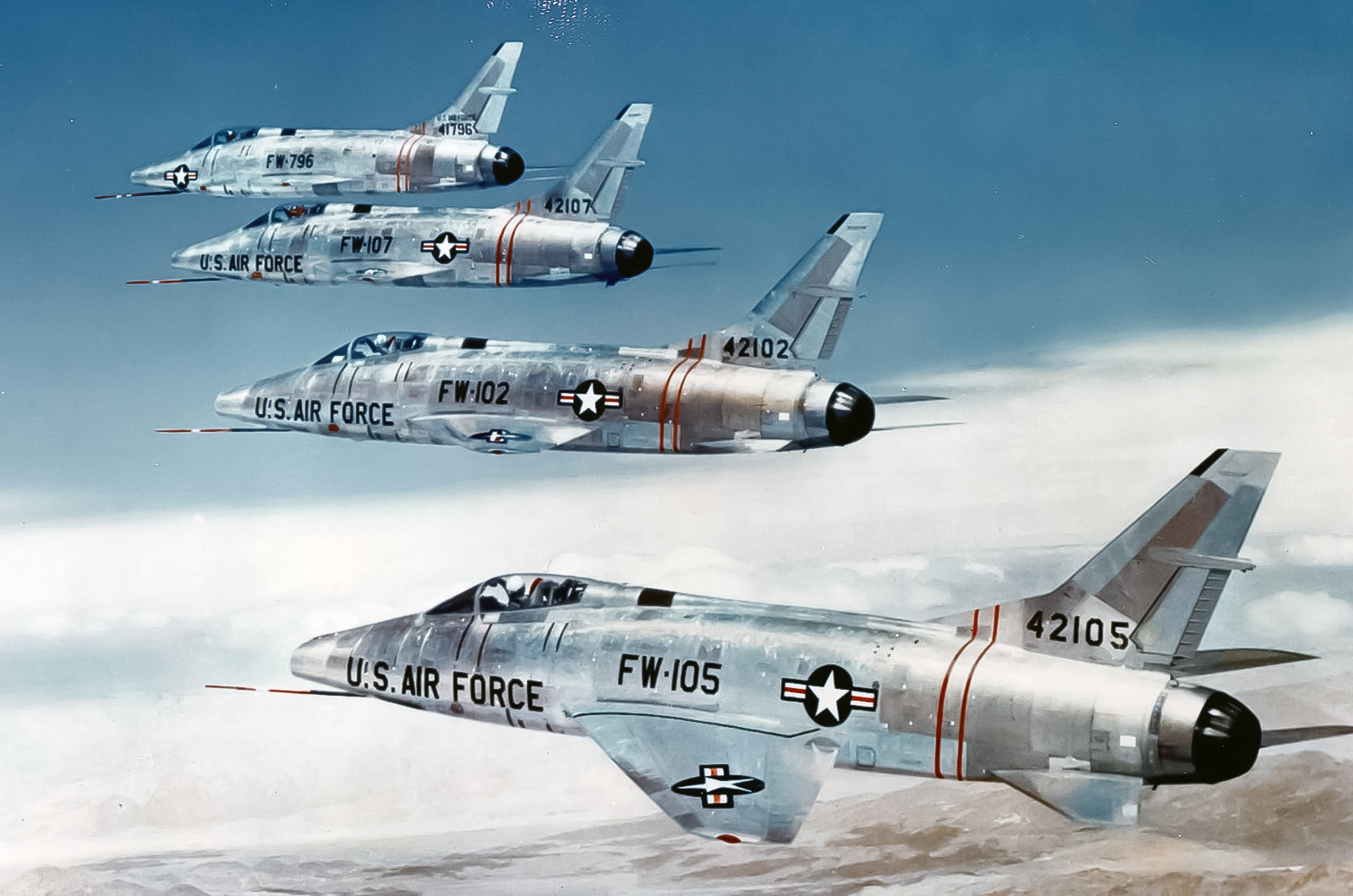
A more peaceful and better-equipped C model (shown), was used as a fighter-bomber and secondary fighter in Vietnam from 1961, with the 'D' model providing additional support, which had previously faced challenges with the constant speed drive, electrical power generation, landing gear, and brake parachute.
Some successes against MiG-17s were noted initially, but fighter-bomber missions became standard, and the more advanced MiG-21 was to be steered clear of at all times. In general, it marked a significant, though demanding, improvement in the capabilities of the USAF's fighter fleet. It was an appealing aircraft, particularly when used by the USAF Thunderbirds aerial demonstration team.
7: McDonnell F-101 Voodoo
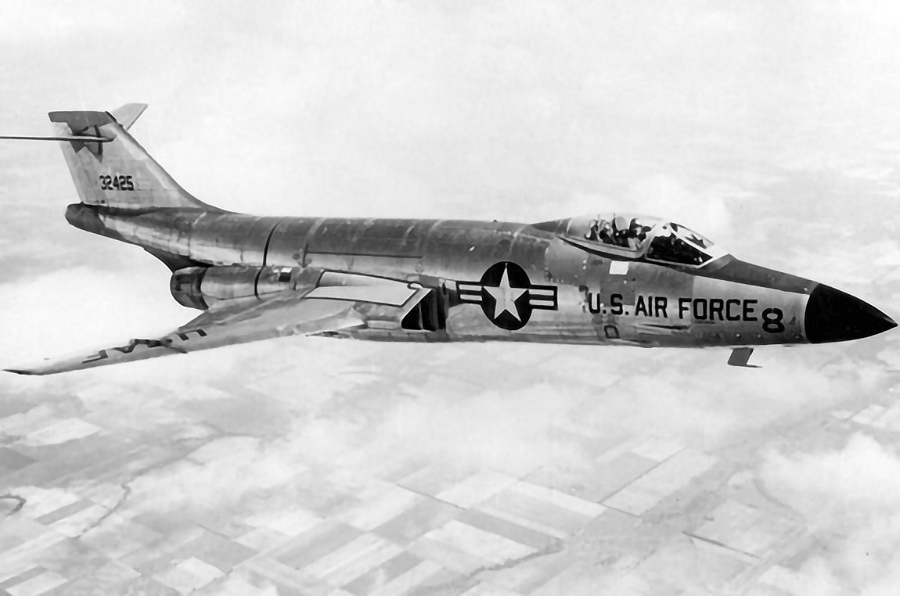
Initially created to serve as a bomber escort for the Strategic Air Command, this role was abandoned when the Korean War concluded and the jet-powered B-52 became available. The sleek single-seat 'A' model was quickly adapted into a long-range nuclear-capable fighter-bomber for the Tactical Air Command and entered service in 1957, equipped with two J57-P-13 engines.
The Voodoo featured a highly streamlined design, with clean lines, sophisticated air intakes, and a unique tail. It had a good thrust-to-weight ratio of 0.74 and was fast at high altitudes, reaching speeds of Mach 1.52. Its substantial internal fuel tank allowed for four hours of flight, and it was equipped with four 20-mm M39 revolver-style cannons.
7: McDonnell F-101 Voodoo
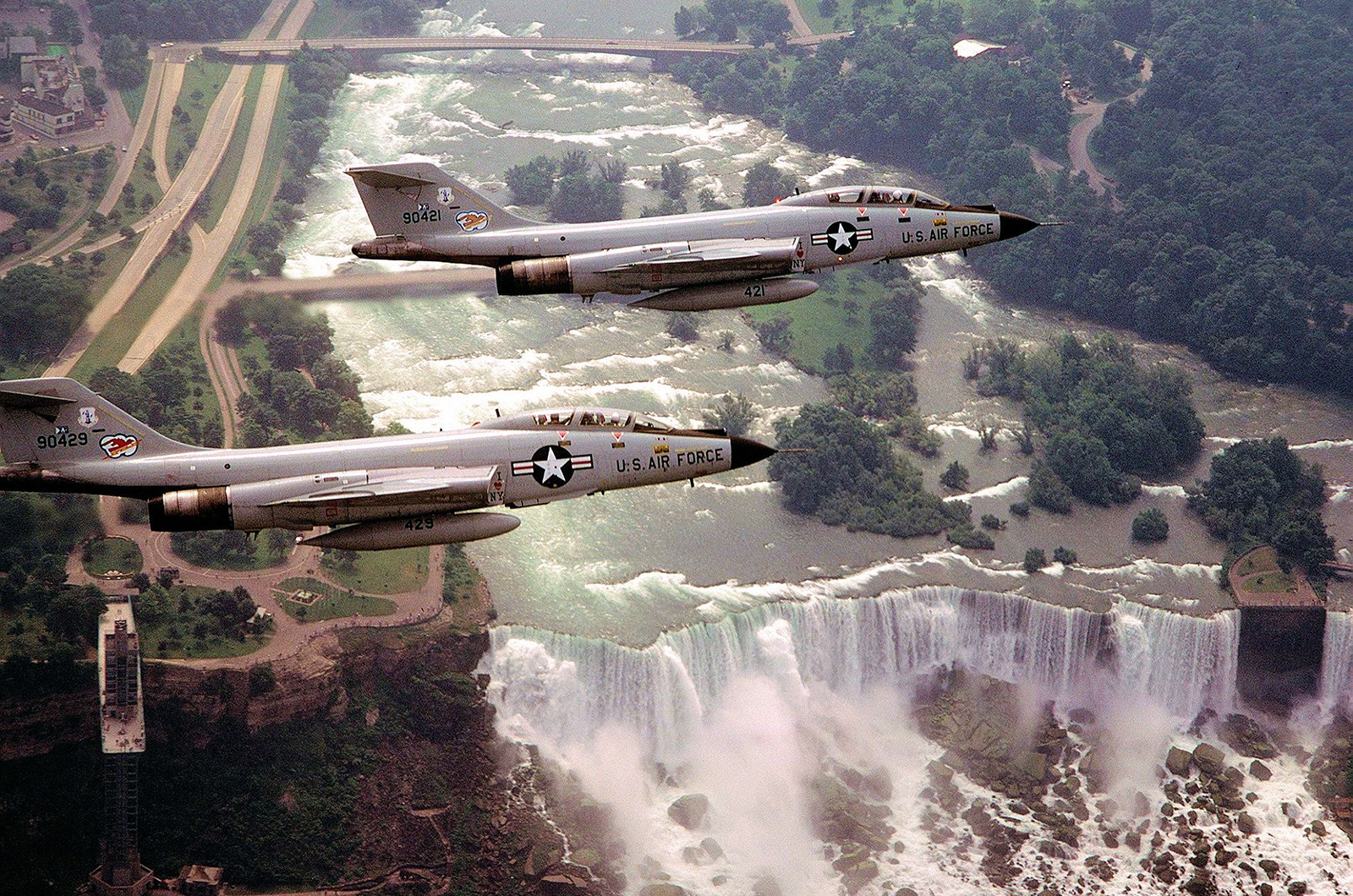
It was referred to as a 'superlative' aircraft by its pilots, who affectionately named it the 'One-Oh-Wonder'. General Robin Olds (a fighter pilot with 17 confirmed kills) established an F-101C demonstration team consisting of five planes at RAF Bentwaters in 1964, although this led to him being grounded for 'not following proper procedures'.
Only 77 units of the 'A' variant were produced, with an additional 35 modified into the more practical two-seat RF-101A reconnaissance model. Starting in 1961, certain 'B' models were equipped with the AIR-2 Genie nuclear missile. The Voodoo was swift, capable in all weather conditions, well-armed, and represented a significant advancement in fighter aircraft technology.
6: Convair F-106A Delta Dart
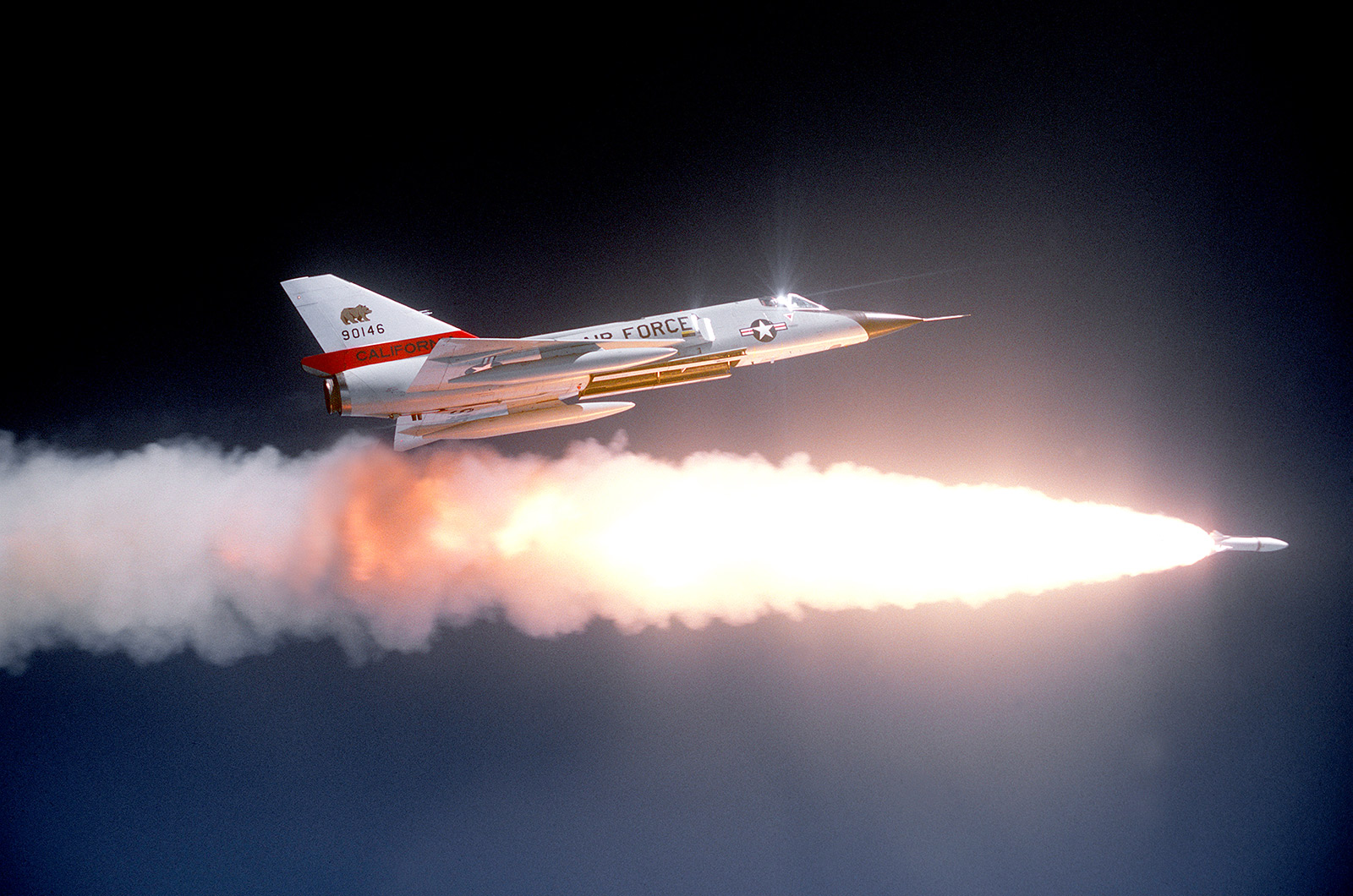
The F-106 was among the most visually appealing American fighter jets from the 1960s. With its sleek delta wing, flowing body, and elegant design, it appeared graceful, yet it possessed incredible destructive power. It was (alongside the F-89 and F-101) one of the few interceptors capable of deploying the Genie nuclear-tipped air-to-air missile to eliminate enemy bomber groups.
The body of the aircraft was designed with area ruling to enhance its aerodynamic performance (resulting in the characteristic 'Cola bottle' appearance), and it was equipped with a J75-P-17 engine, allowing it to reach speeds significantly above Mach 2 at high altitudes. It was also capable of 'supercruise,' which refers to sustained supersonic flight without using afterburner. The F-106 was bigger, faster, and more powerful than the F-102 from which it was derived.
6: Convair F-106A Delta Dart
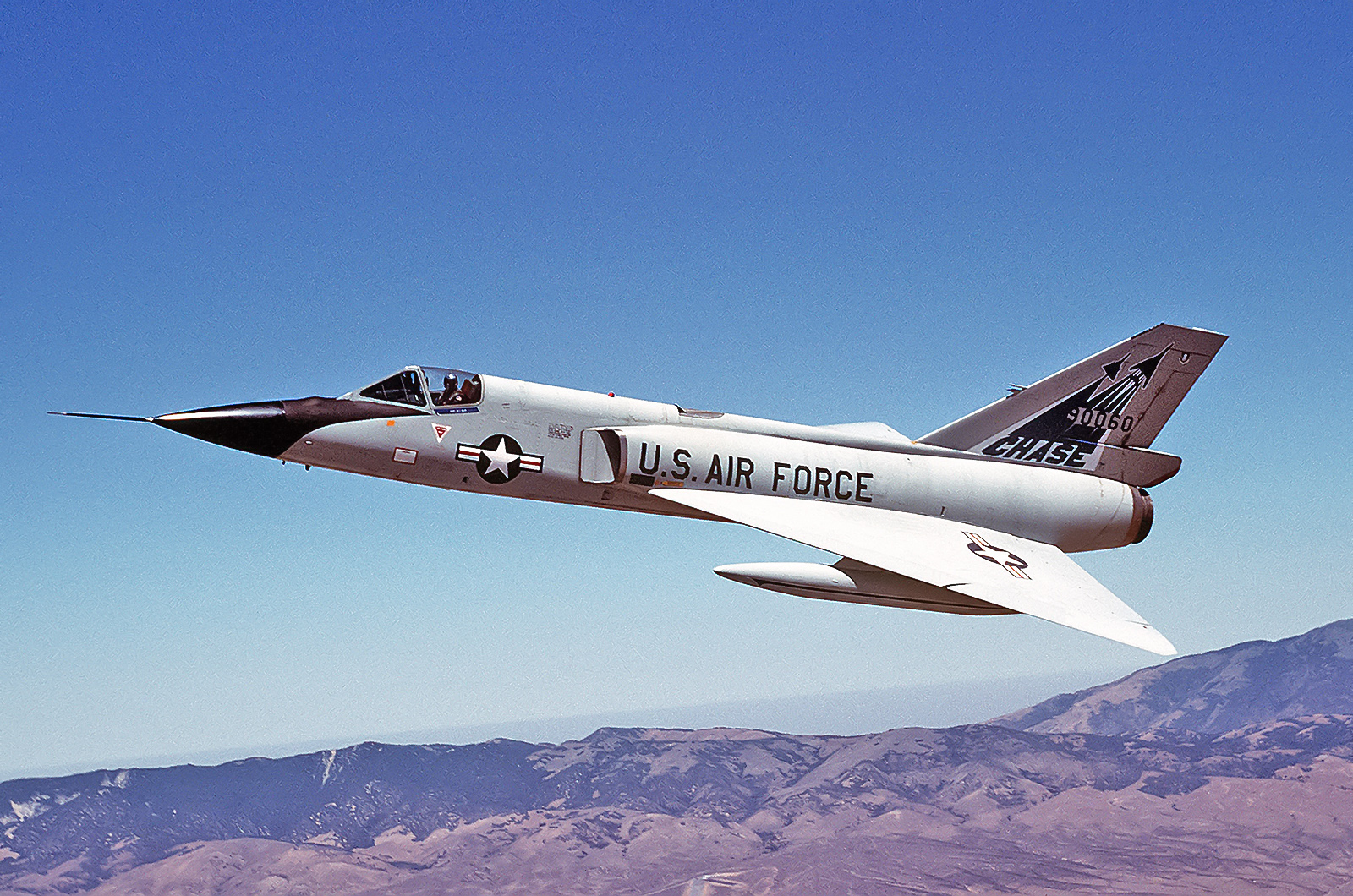
Throughout the 1950s, national air defence faced competition from the Strategic Air Command's nuclear deterrence efforts in terms of funding and authority. However, the all-weather bomber interceptor consistently remained a priority in procurement. The repeated shortcomings in this area led to its reassignment to roles such as fighter bomber within NATO, the Military Aid Program, or with politically advantageous allies.
When the F-106 became operational in 1959, following the F-102, there were doubters, particularly due to the initial shortcomings in engine and avionics performance. However, Convair had conducted thorough research, aided by a thrust-to-weight ratio of 0.71 and minimal wing loading, which made it fast and agile, demonstrating excellent handling at low and moderate speeds. It remained in service with the Air National Guard until 1988.
5: Lockheed SR-71 Blackbird
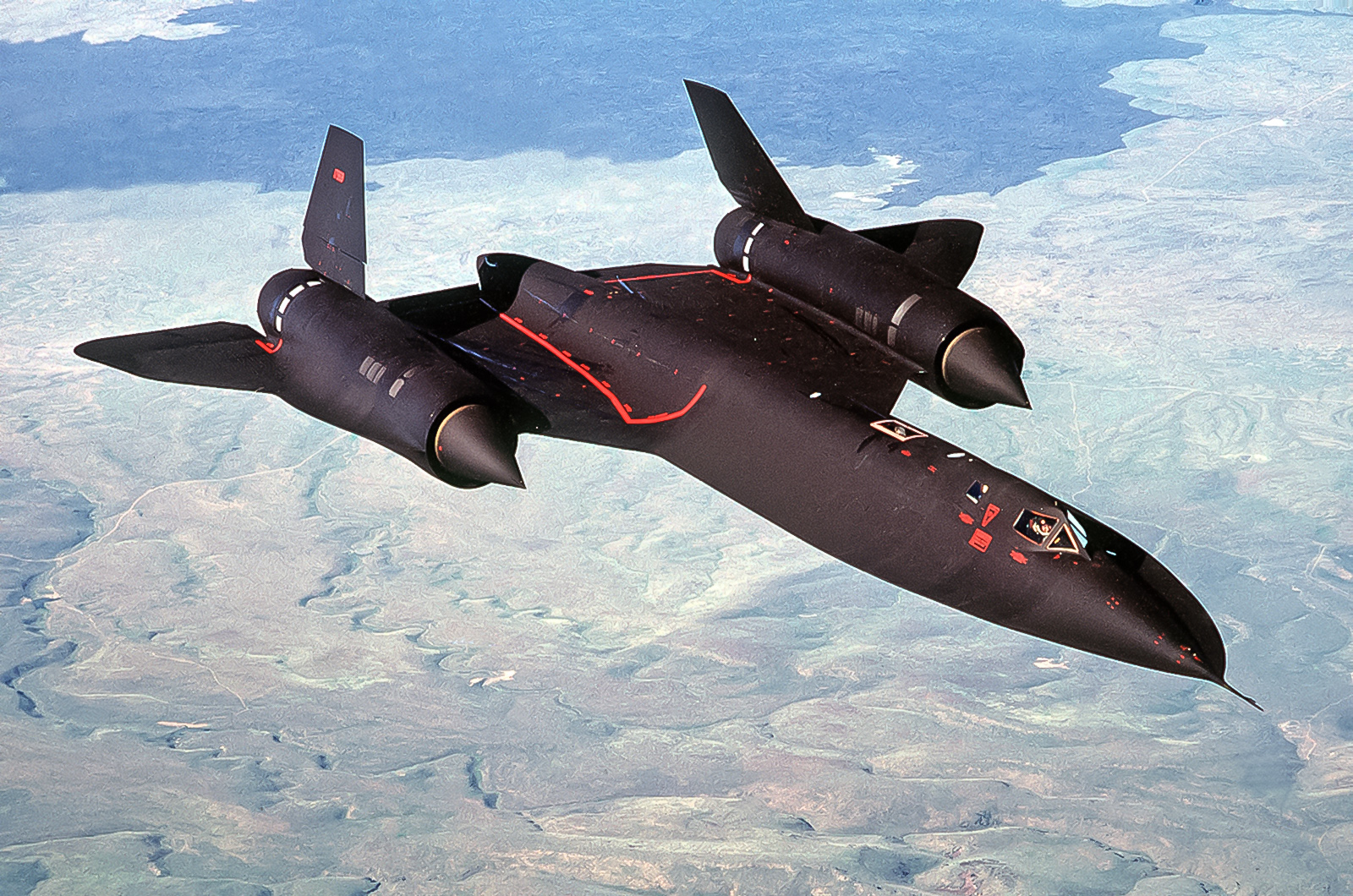
In terms of style and thrill, the Blackbird stands apart from the rest. It had a menacing appearance, delivering exceptional performance, operating at greater speeds and altitudes than most others. Its distinctive shape was incredibly exciting, featuring a bold mix of sharp angles, appealing curves, and advanced technologies painted in jet black.
When we spoke to former SR-71 Blackbird pilot BC Thomas about the significance of the SR-71, he stated, "The SR-71 is well-known for being the most distinctive air-breathing aircraft ever constructed. No other aircraft could reach such high speeds, fly at such great altitudes, or transport thousands of pounds of equipment above 80,000 feet."
5: Lockheed SR-71 Blackbird
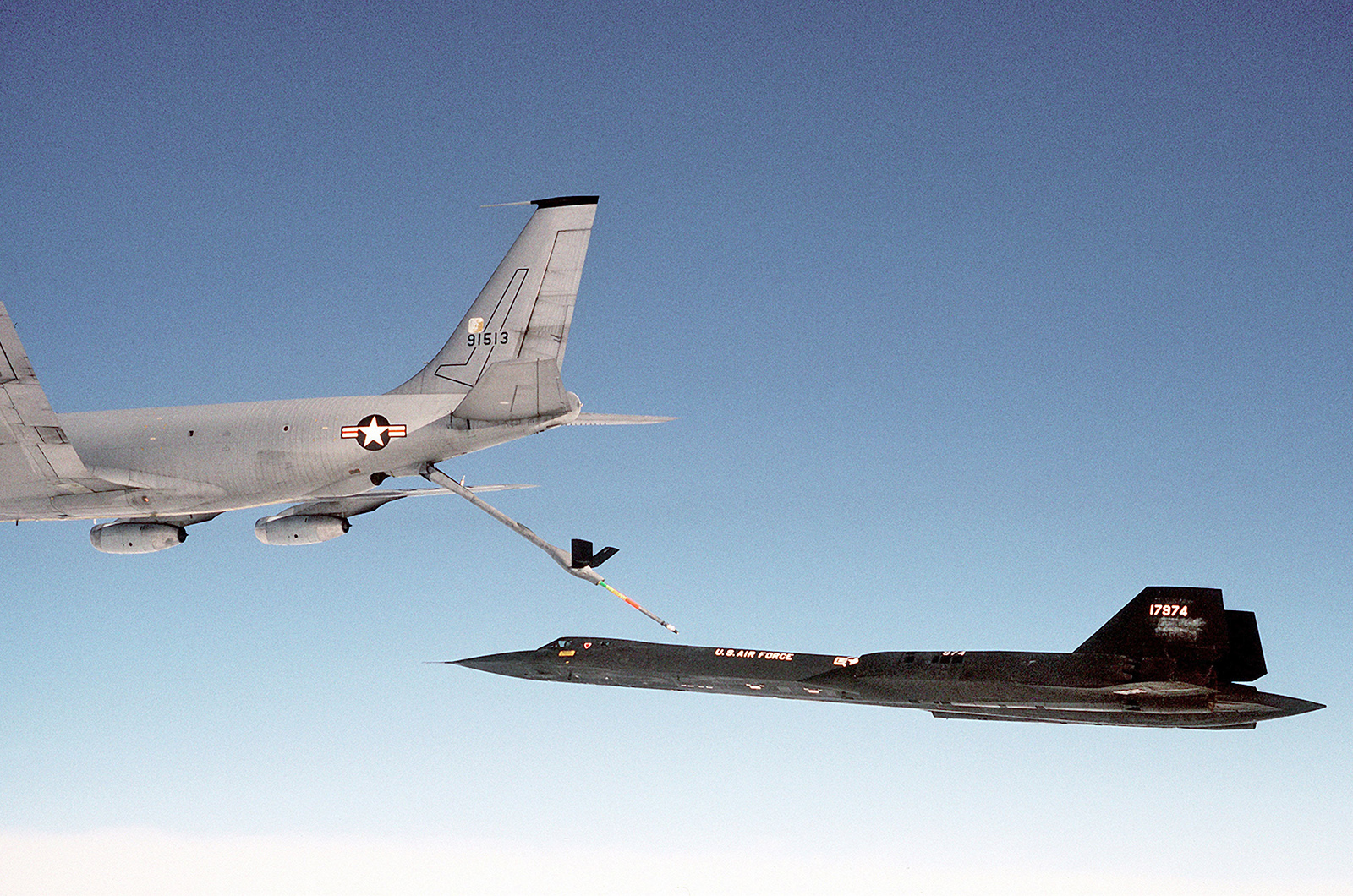
It served as the main strategic intelligence-gathering tool for the West during the final 25 years of the Cold War. The SR-71 was capable of maintaining non-stop flight at speeds exceeding Mach 3 for more than an hour, collecting top-tier surveillance data through various sensors, and with mid-air refueling, the plane could have flown around the globe in a single journey.
One of the earliest aircraft to utilize stealth technology, making it nearly undetectable by radar. Its high speed and altitude further concealed its presence. In an era when there was limited coverage from reconnaissance satellites over possible enemy locations, the SR-71 could approach, collect crucial data, and depart without being detected, frequently without any prior indication.
4: North American A-5 Vigilante
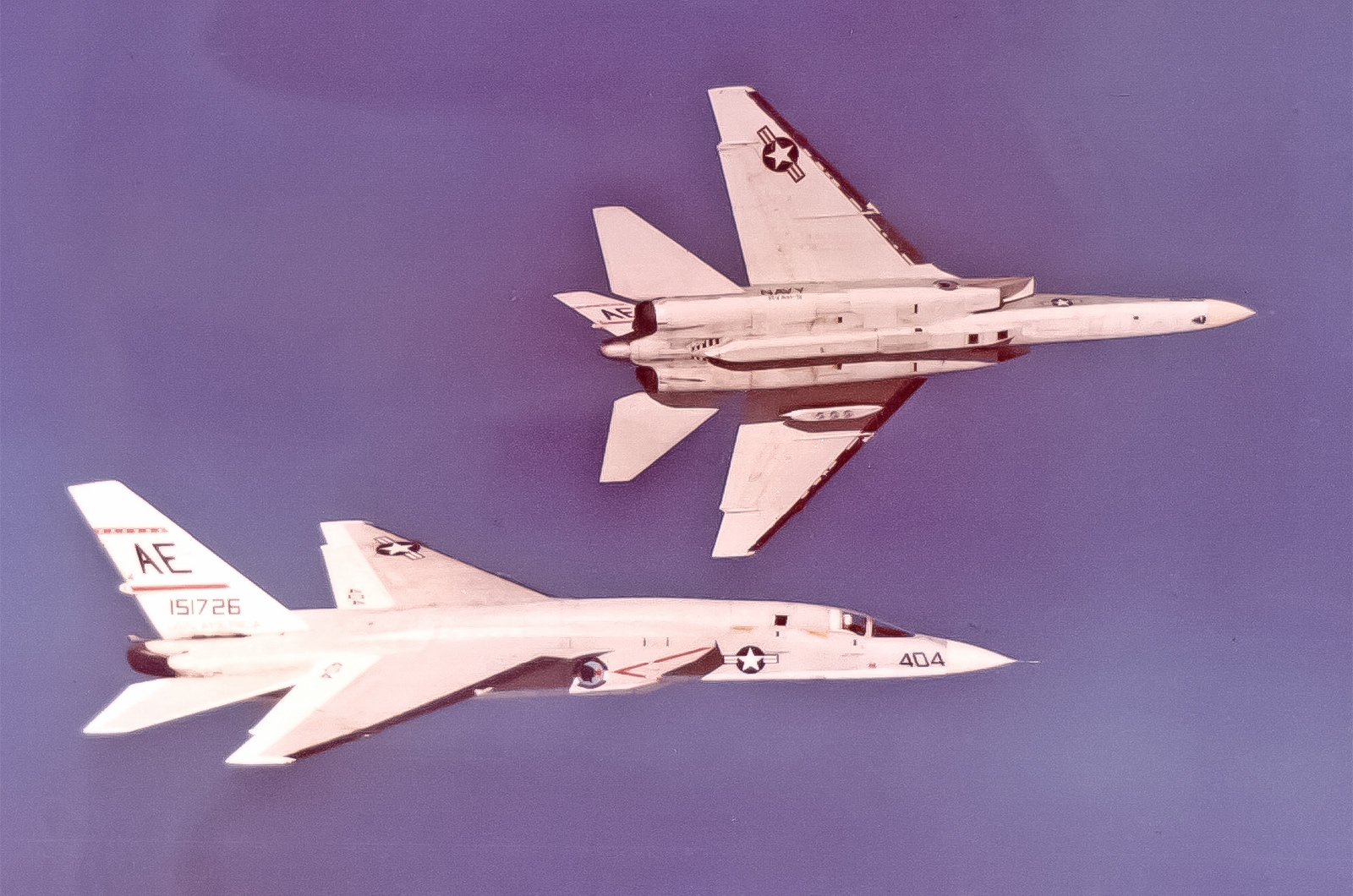
Although it first took to the air in 1958, the beautifully advanced Vigilante appeared more akin to aircraft that emerged 10 or 15 years later than to those of its time. Despite having a weight exceeding 21,000 kg (46,000 lb), it was capable of operating from aircraft carriers and was twice as fast as the planes it succeeded.
When we spoke with former Vigilante Reconnaissance Attack Navigator (RAN) Richard Affeld regarding the aircraft, he mentioned, "There is a sense of pride in being linked to such a sophisticated machine that had numerous unique characteristics compared to other planes. It was an ideal airframe for the mission as the Vigilante was stable, free from vibrations, and agile at high speeds."
4: North American A-5 Vigilante
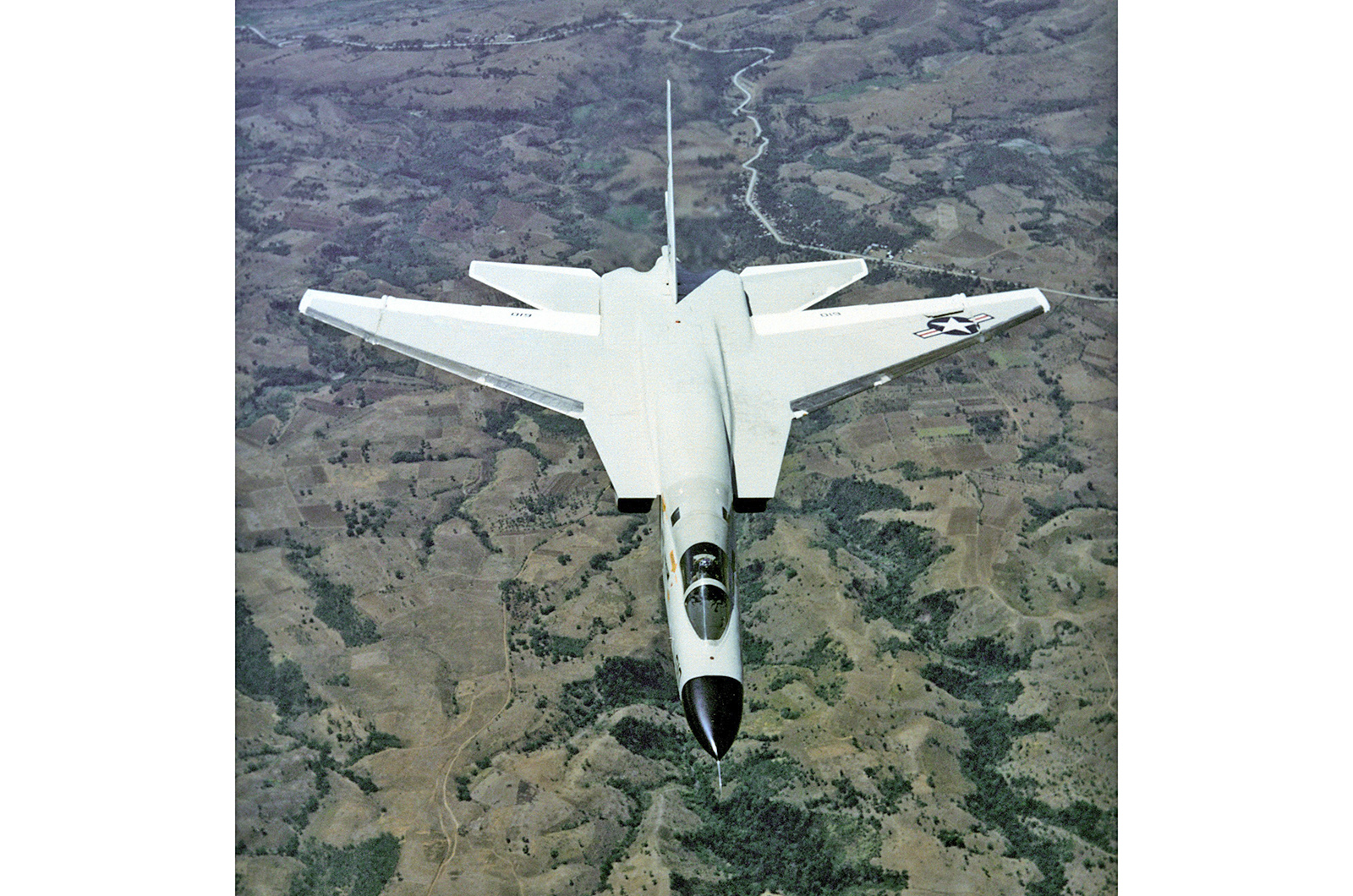
However, the Vigilante was also a difficult aircraft, "The Vigilante could be deadly. It was large, with a quick approach speed and a landing weight that didn't leave much fuel for a 'go around.' It was responsive to nose and throttle changes near the carrier. Some of the innovative design elements could malfunction and shake the plane apart."
This was not the only issue. "The bomb bay lacked fire detection systems, with flight controls running past 6000 pounds of fuel located beside it, while using radar that required high electrical power and contained flammable hydraulic fluid. The ejection seat required airspeed, altitude, or at least a positive climb rate. On the runway or with a negative descent rate, the pilot likely wouldn't have survived."
3: Vought F-8 Crusader
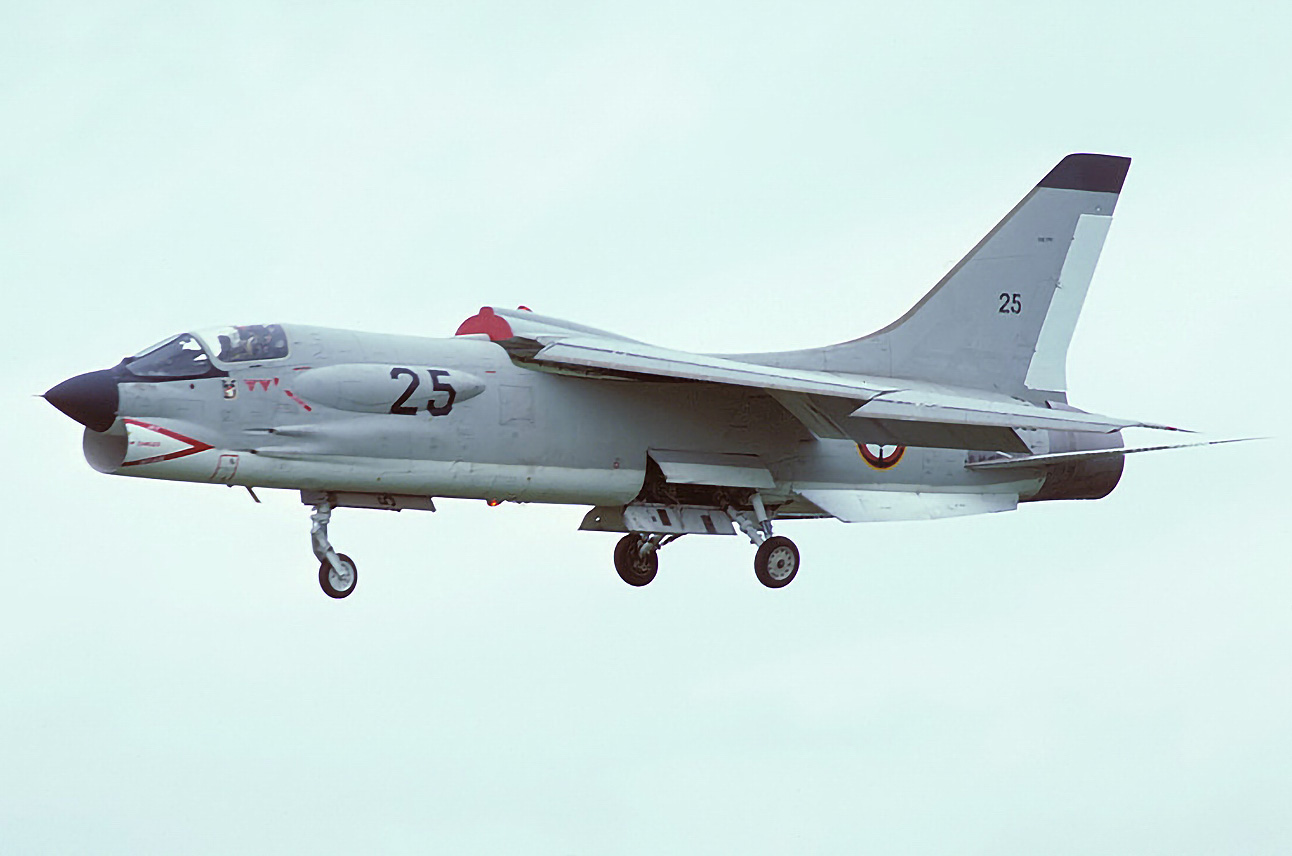
Attractive appearance and risk merged to create a unique charm for the Crusader naval fighter. The Crusader was challenging to handle, which became clear during landings, a significant drawback for a carrier-based aircraft. There is a specific online page that details Crusader crashes. A shocking number of 493 Crusader pilots had to use an ejection seat to leave their aircraft.
The high approach speed of 169mph posed significant challenges for smaller carriers like the Essex class. Maintaining a steady speed was also crucial. An autothrottle (Approach Power Compensator) was introduced in 1964, yet it still led to issues because excessive dependence on the APC could be just as hazardous.
3: Vought F-8 Crusader
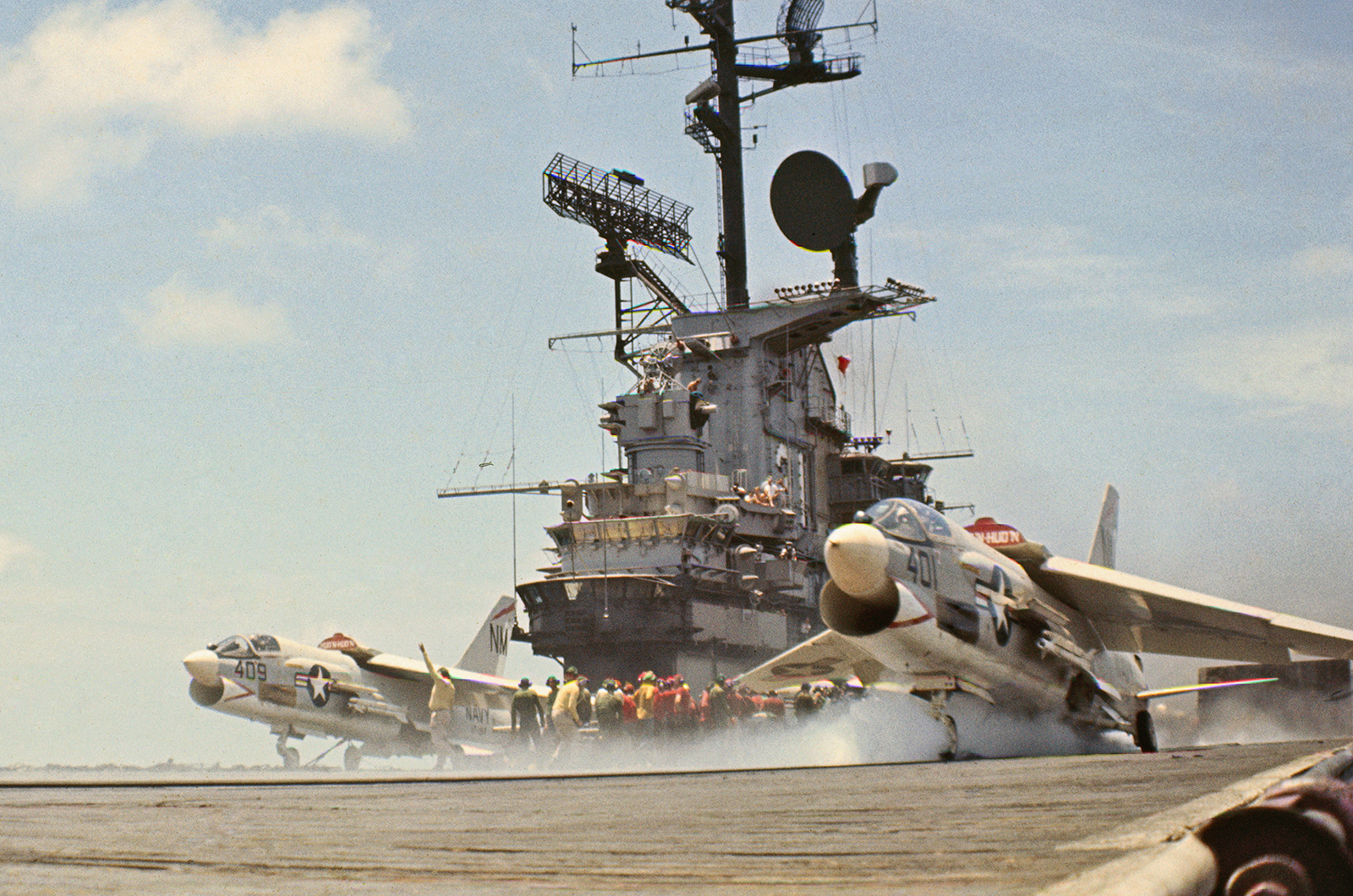
Another unique aspect of the F-8 was its unusual connection between the nose position and descent speed, due to its most distinctive design element: during landing, the wing maintained the same angle of attack as the fuselage rotated (the wing was attached to a specific system). This made things especially confusing for the pilot during the final approach phase, which once again demanded focus. The Crusader, while excellent in many respects, was an extremely hazardous aircraft.
In total, 517 out of the 1261 Crusaders constructed were lost. A loss rate of 41% is undeniably severe, although it is worth noting that these aircraft experienced both life aboard an aircraft carrier and combat during the Vietnam War. Apart from its troubling safety record, it possessed several positive attributes; it was quick, agile, and had a reasonable range.
2: Republic F-105 Thunderchief
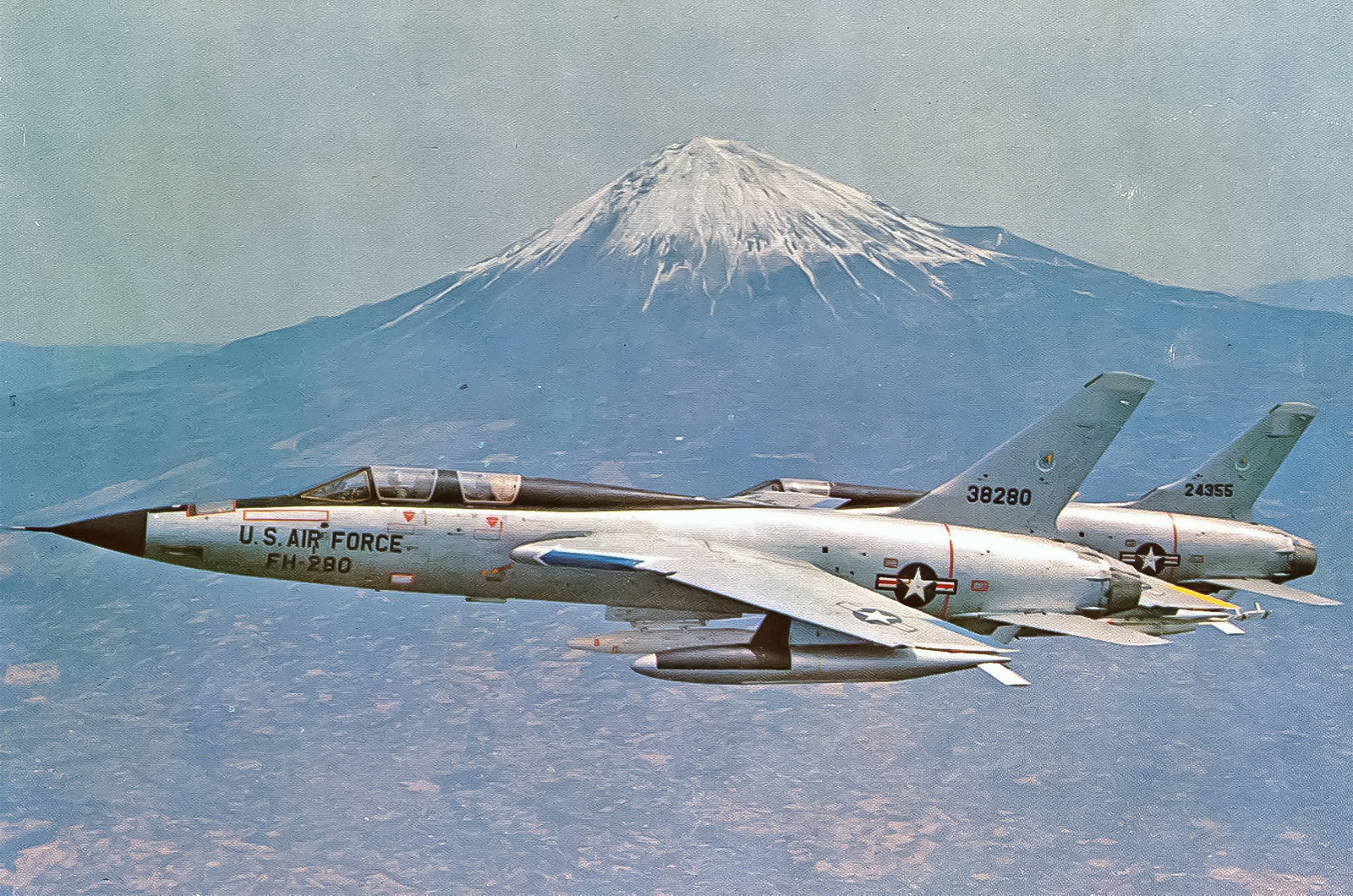
One of the most notable visual elements of the F-105 Thunderchief was its highly dynamic, razor-sharp forward-swept air intakes, and the individual responsible for this design led a life as thrilling as the aircraft itself. Antonio Ferri was an Italian aerospace engineer. Just three days after the Germans took control of Rome in 1943, Ferri secretly returned to his workplace, destroyed key equipment, secured research materials, and then vanished into hiding.
In October 1943, he established a partisan group, coordinating assaults by the area's anti-fascist units. Following the Allies' liberation of Italy, he traveled to Rome, met with an OSS officer, and provided him with significant research papers. After the war, he filed a patent for the forward-swept 'Ferri scoop' jet engine inlet, which was incorporated into the abandoned XF-103, XF8U-3, and SSM-N-9 Regulus II missile, as well as the impressive F-105.
2: Republic F-105 Thunderchief
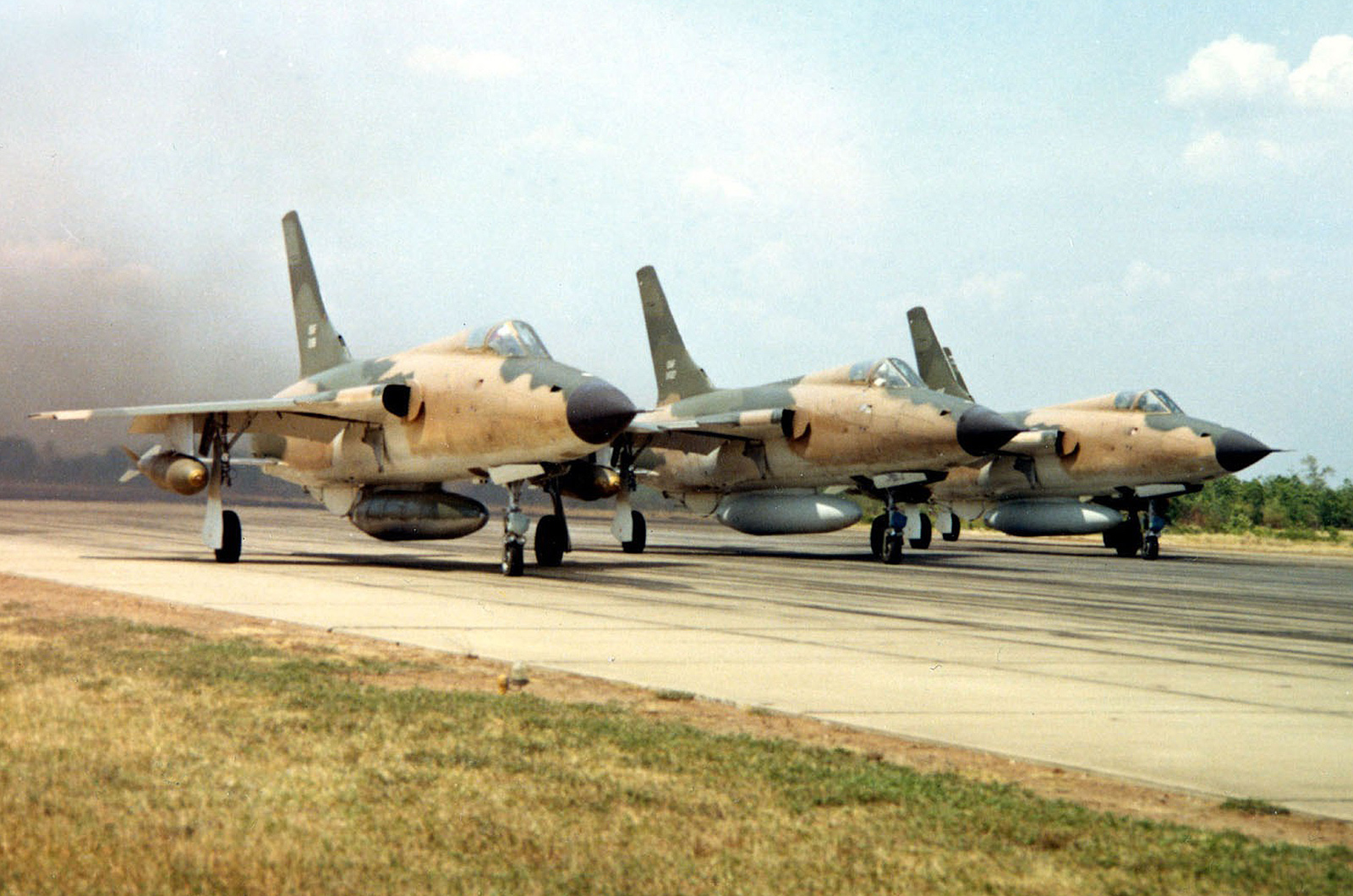
Built as an evolution of the F-100 line, the F-105 was a supersonic fighter-bomber capable of reaching Mach 2, which entered service in 1958. It featured a 20mm M61 Vulcan rotary cannon and AIM-9 missiles, and could carry a nuclear weapon internally for fast, low-level visual attacks.
Conventional (non-nuclear) fighter-bomber interdiction missions were a possibility from the beginning. The F-105 had the capability to carry multiple tons of armaments externally using up to four underwing pylons and multi-carriers, along with a centerline tank. The swept wing and strong J75 engine design was enhanced by an area rule fuselage. It was highly fast but not an aircraft suited for a turning engagement.
1: McDonnell Douglas F-4 Phantom II
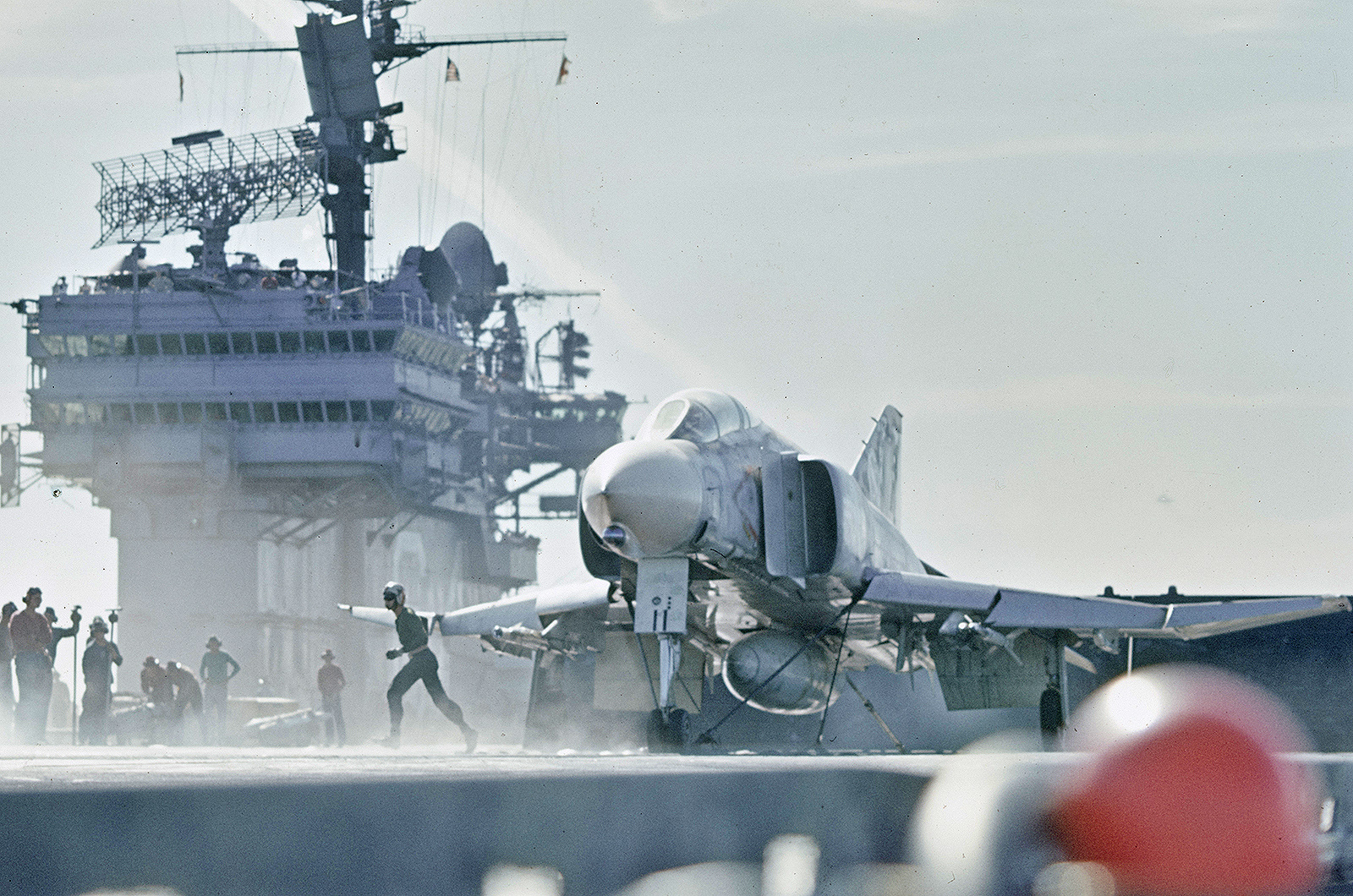
The McDonnell Douglas F-4 Phantom II was the most adaptable Cold War fighter and among the strongest. It was quick, strong, heavily armed, and resilient, making it remarkable in numerous aspects. Initially designed as a carrier-based fighter, it performed so well that the US Air Force soon sought its own version for land operations.
When creating the Phantom, the McDonnell aircraft company applied numerous lessons learned from their previous and hazardous F3H Demon fighter. McDonnell aircraft are given names based on supernatural themes, with other exceptionally named planes including the Banshee, Goblin, and Voodoo.
1: McDonnell Douglas F-4 Phantom II
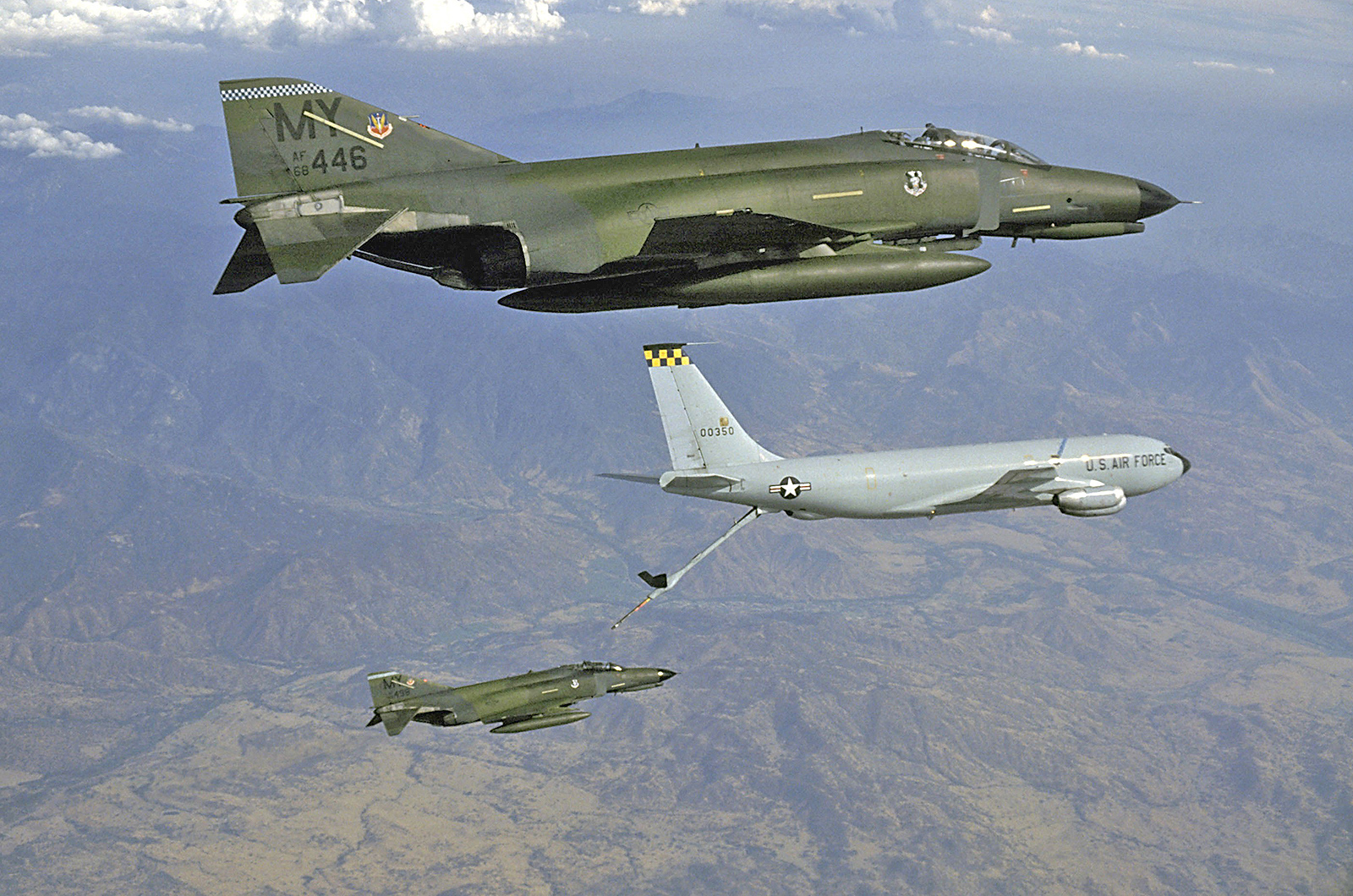
The Phantom was equipped with two powerful J79 turbojet engines, capable of producing up to 17,845 lbf (79.38 kN) of thrust when the afterburner was activated. This provided it nearly nine times the power of the initial American jet aircraft, the Bell P-59 Airacomet.
Although not aesthetically pleasing, the Phantom (or more accurately, it still operates in small numbers today with the air forces of Greece, Iran, and Turkey) presents a fierce and striking presence. Its considerable size enhances its intimidating appearance; the F-4 is a huge aircraft, roughly five times heavier than a P-51 Mustang from the war era. And don't overlook its deafening roar!
Follow Hush-Kit's remarkable aviation tales onSubstack and X
If you liked this story, please press the Follow button above to discover more similar content from Info
Photo Licence: https://creativecommons.org/licenses/by/4.0/deed.en
Comments
Post a Comment