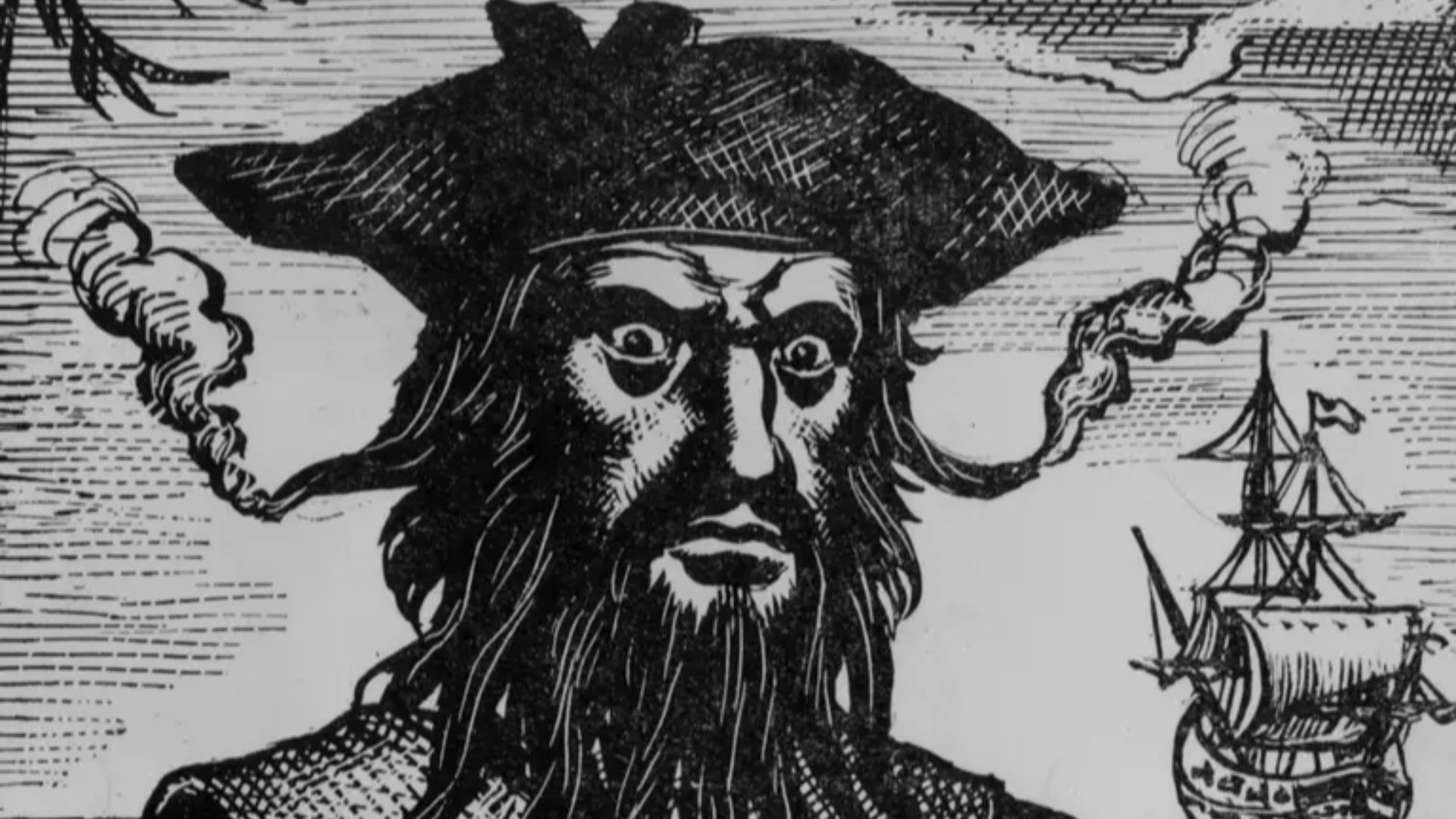
Blackbeard's fame wasn't accidental, nor was it due to constant violence as films often portray. In reality, he was active during the turbulent "Golden Age of Piracy,During wartime, sailors, pirates, and those seeking gain swarmed the Atlantic in search of wealth. He recognized a lasting truth: when people are sufficiently frightened, conflict becomes less frequent.
Just as some individuals possess the remarkable skill to captivate a room through sheer presence and charm, Blackbeard merged timing, showmanship, and clever choice of targets to create a brand that was so powerful his name became linked with pirate fear. His career wasn't lengthy, but it cast a lasting influence that still reaches today's popular culture.
He made intimidation a part of his business approach.
The individual associated with the nickname is generally recognized asEdward Teach(also known as Thatch), and there is very little concrete information about his early years. What we do know is that he embraced the "Blackbeard" identity, creating a reputation that was effective even before any battles began. In an era where gossip spread quicker than vessels, appearing dangerous was often half the battle.
Rather than depending on continuous violence, he opted for a display that made giving up seem like the most secure choice. A well-known earlyaccountdepicts him being heavily armed and placing lit matches under his hat during combat, producing a smoky, demonic appearance around his face. It's likely that some elements were exaggerated over time, but the truth is that he had a talent for instilling fear.
That mental advantage was significant because piracy involved high risk, high cost, and numerous unexpected challenges. If a merchant crew becomes frightened and surrenders quickly, it reduces the time spent in conflict and increases the time available for seizing cargo, which is what pirates truly aim for. His "fearsome" reputation wasn't merely a personal characteristic; it served as a way to cut costs. By creating an expectation of the worst, he often achieved obedience without needing to demonstrate it.
Beyond smoke and mirrors
A frightening expression can only take you so far if you don't support it with a strong presence, and Blackbeard's main ship contributed to that. He was in charge of the Queen Anne’s Revenge, which was originally a French slave vessel, captured by him near Martinique and equipped with weapons. It became the central part of his activities. On board the Queen Anne’s Revenge, he sailed through the Caribbean and focused on commercial traffic around islands located on major shipping routes.
His most attention-grabbing act took place in May 1718, when heblockaded Charles Town(Charleston), South Carolina for almost a week and looted several vessels attempting to arrive or depart. He captured hostages, including well-known residents, demanding payment in exchange for their release.
Following Charleston, he traveled to the North Carolina coastline, and shortly thereafter, Queen Anne’s Revengeran agroundclose to Beaufort Inlet in 1718. This marked the end of the ship's brief career as a pirate vessel, following which Blackbeard moved to smaller ships. Whether it was unintentional or a deliberate method to reduce responsibilities, the result was that his operations became more efficient and agile.
He made daring decisions that helped remarkable tales spread more quickly.
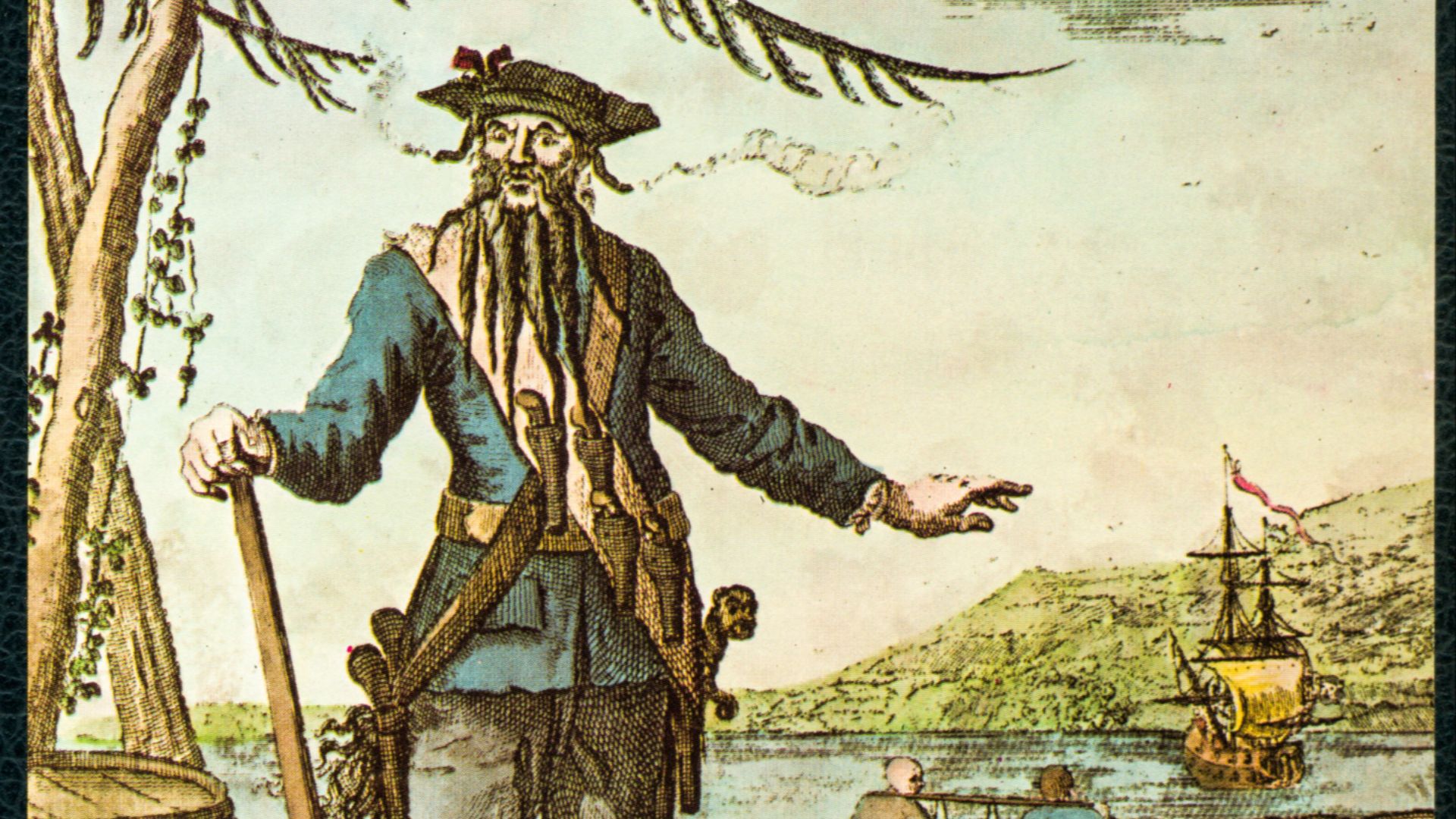
What stands out is that his reputation was partly built on his understanding of restraint as a strategy. Pirates who killed without discrimination often faced severe consequences, whereas those who effectively threatened could continue their activities for a longer period. Blackbeard's best scenario was a terrified crew surrendering their goods without leading to a chaotic confrontation. In real terms, he made fear seem like the logical option.
He used politics to his advantage, and then cemented the legend with a dramatic conclusion.
At the height of his power, he didn't merely avoid the authorities; he sought to outwit them by exploiting the system. In 1718, not long after the grounding of Queen Anne's Revenge, he accepted aroyal pardonIn North Carolina, he collaborated with Governor Charles Eden and briefly appeared to have changed his ways. This strategy provided some respite, created confusion in the legal system, and allowed him to function in areas where authorities were not always keen to confront him.
Colonial leaders were not united in their approach to dealing with him, and this disagreement contributed to his eventual demise. Alexander Spotswood from Virginia advocated for strong measures, and a Royal Navy force commanded by Lieutenant Robert Maynard confronted Blackbeard at Ocracoke Inlet on November 22, 1718. Maynard employeddeceptionDuring the conflict, the battle concluded with Blackbeard sustaining twenty-five stab injuries and five gunshot wounds before ultimately collapsing. His head was removed as evidence.
Following that, the man's story concluded, but the character continued to work extra hours. Published records, particularly the dramatic pirate biographies that spread quickly, solidified his image in the public mind. He became the standard: the fearsome beard, the dramatic threat, the coastal terror, the memorable name. If you're looking for the most straightforward reason why he's considered "history's most terrifying pirate," it's this: he realized that a reputation can serve as its own weapon, and he used it masterfully.
Comments
Post a Comment