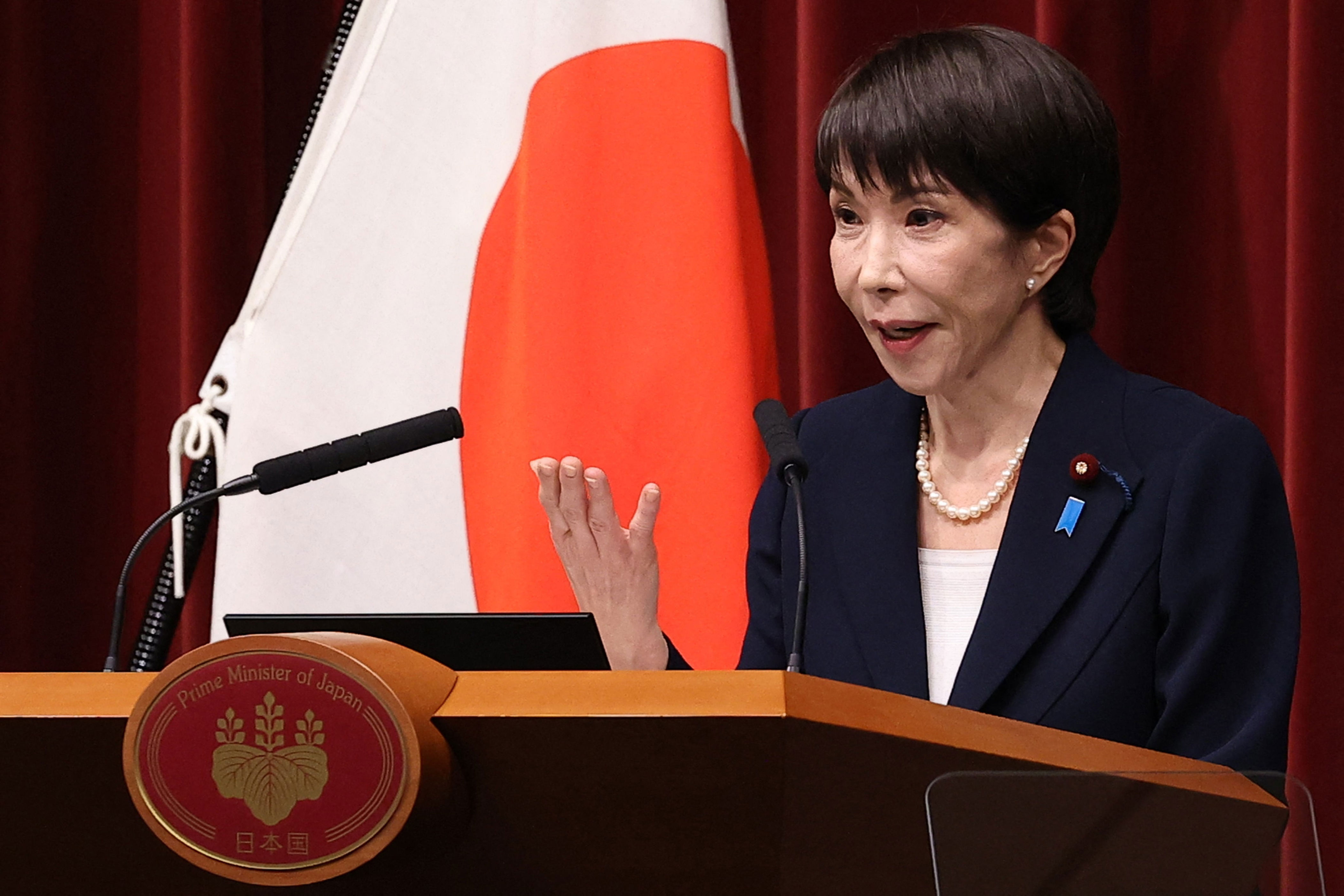
When Japanese prime minister Sanae Takaichi held a snap election at the start of last month, aiming to capitalize on strong public support to gain a stronger mandate, she surprised even members of her own party.
Takaichi assumed her position in October last year.and whispers of an unexpected election started spreading right away, although analysts anticipated the government would first approve the 2026 budget by March. Takaichi chose not to delay.
I'm risking my future as prime minister," she stated during a press conference following the dissolution of the lower house of parliament and the announcement of the general election on 8 February. "I want citizens to directly determine if they can trust me with the country's leadership.
After the the end of the long-standing alliance between Takaichi's Liberal Democratic Party and Komeito,the governing party established a new partnership with theJapanThe Innovation Party, also known as Ishin, secured a single-seat majority in the lower house with the backing of independent candidates.
Experts noted that the push for an early election was primarily aimed at leveraging Takaichi's widespread support tobolster the LDPand strengthen the new alliance's hold on authority.
As per a recent survey published byThe Asahi Shimbun over the weekend, the LDP is expected to exceed the 233-seat mark required for an independent majority, building on its current count of 198 seats. The governing coalition as a whole is forecast to secure more than 300 seats.
Just before the election, the yen this week dropped to almost a two-week low, indicating economic trouble that may influence the results.
What is the significance of this election?
Takaichi has become Japan's inaugural female prime minister.. Her support levels have remained highSince assuming power, she has consistently maintained a rating above 70 per cent. She differs from her predecessors by receiving strong support from younger voters, with over 90 per cent of Japanese citizens between the ages of 18 and 29 expressing approval in various surveys.
The LDP now has 198 out of 465 seats in the lower house following a weak performance in the 2024 general election under Shigeru Ishiba, leading to a heavy reliance on Ishin. Experts believe Takaichi is aiming to secure a stronger majority for the LDP-Ishin alliance.
A significant victory for Takaichi could signal a major change in Japan's political landscape, says Prof Margarita Estevez-Abe from Syracuse University, an expert in Japanese politics and political economy.The Independent.
"It will challenge the political 'conventional wisdom' that the LDP requires Komeito's electoral support to succeed. The LDP will come to realize that right-wing populism is the effective path to victory. Any moves towards the centre will no longer be present within the LDP," she states.
Komeito, as noted by Estevez-Abe, is "the political arm of the Soka Gakkai, operating as a highly structured political entity," and the LDF depended on it for many years to secure electoral victories.
It was widely thought that the LDP could not secure victories in city areas without the support of Soka Gakkai, she explains. "This was mainly why the LDP maintained Komeito as a junior coalition partner for many years."
If Takaichi can convert her personal popularity into support for her party, the LDP will easily make up for the losses incurred by severing relations with Komeito.
But this will carry a cost: the loss of a moderate ally is expected to diminishJapan’s centre-left forces.
"Reducing support for older people and raising military expenses will be simpler in a political climate where the centre-left has less influence," Estevez-Abe explains.
Other dangers exist. Any loss of territory might harm the prime minister's plans and her reputation both domestically and internationally.
"Although Takaichi is well-liked, support for the LDP still hovers around 30 per cent, indicating continued public worries," Yuko Nakano, associate director of the US-JapanStrategic Leadership Program hosted by the Center for Strategic and International Studies in Washington, states.
Furthermore, should the public believe that Takaichi is focusing more on politics than on policy, this might lead to adverse consequences during elections.Opposition parties, including the Democratic Party for the People, which had previously committed to working with the LDP to ensure the budget was passed promptly, have already started to voice criticism of her choice, arguing that it places economic concerns in a secondary position.
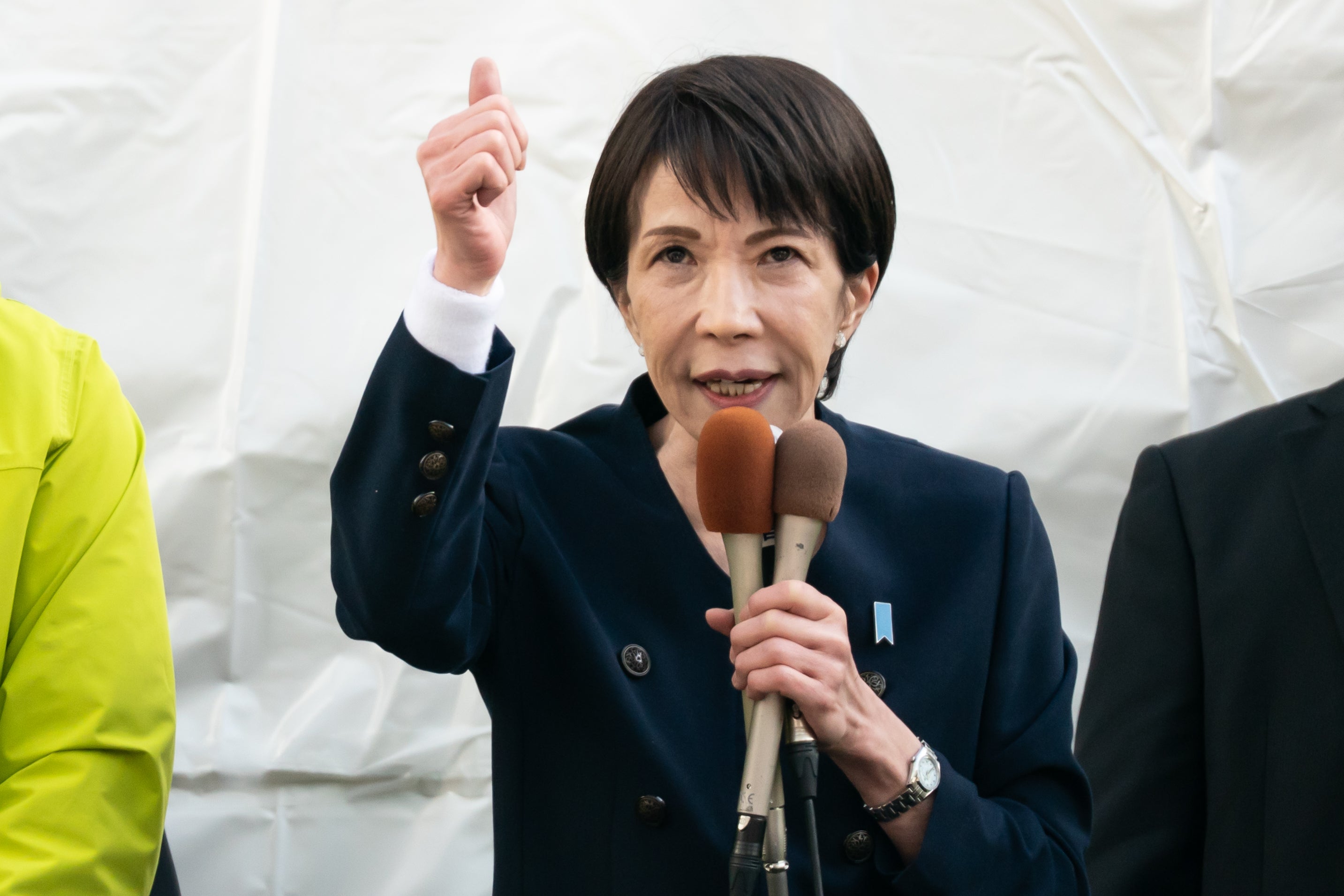
What are the key parties' positions?
Liberal Democratic Party: Japan’s The governing party was established in 1955 through the combination of two conservative groups and soon emerged as the nation's leading political entity, advocating for political stability and a pro-American stance during a time of uncertainty after World War II.
In recent years, a funding scandal has reduced its influence and resulted in losing majorities in both houses of the parliament. Under Takaichi, the party has made efforts to restore public confidence through economic support measures, such as a temporary halt on the consumption tax for food.
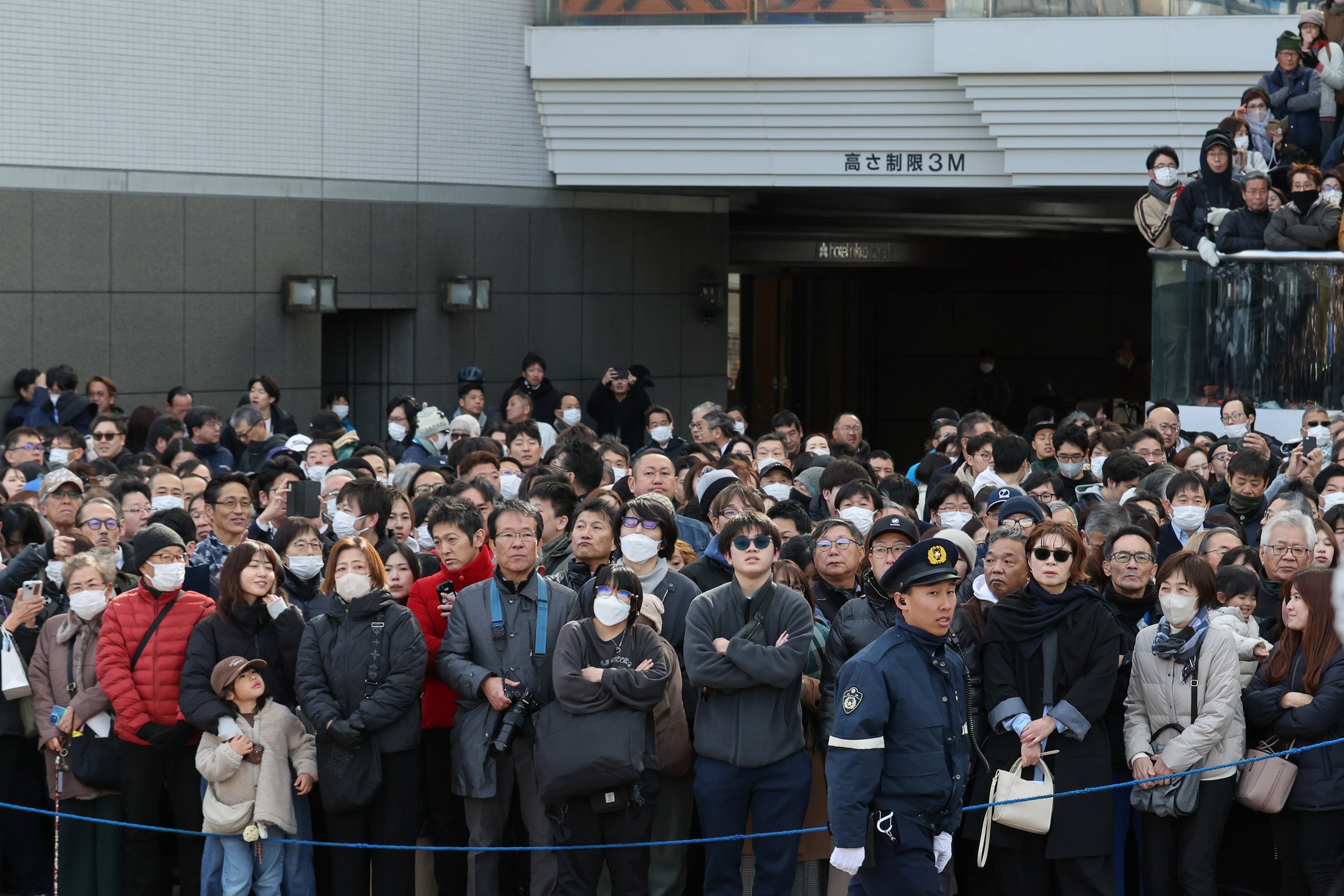
Japan Innovation Party: The conservative Ishin, as it is commonly referred to, positions itself as a "reformist, new-generation party" dedicated to moving away from conventional Tokyo-based politics.
After Komeito left the governing coalition, Takaichi invited Ishin, the third-largest party in parliament, to establish the administration.
Led by Osaka Governor Hirofumi Yoshimura and businessman Fumitake Fujita, the party is positioned on the right side of Komeito's ideology. As a member of the ruling coalition, the party has supported a notably conservative platform: enhancing Japan's military capabilities, preserving the male-only line of imperial succession, and accelerating the resumption of nuclear reactors.
Centrist Reform Alliance: Initiated on 22 January by former competitors Komeito and the Constitutional Democratic Party of Japan, it presents itself as a choice to Takaichi's conservative administration, advocating for relief from living expenses through a permanent zero consumption tax on food, stricter regulations on political financing, and assistance for those with low and middle incomes. Although ideologically varied and generally viewed as a practical, short-term partnership, it supports more centrist policies regarding nuclear energy, social matters, and governance compared to the governing coalition.

Party of the People:The center-right party, led by Yuichiro Tamaki, places itself between the conservative LDP and the opposition left. Established in 2018 through the combination of the Democratic Party and the Party of Hope, and restructured in 2020, it promotes "policy-first" governance.
"We have pursued a new approach to politics that focuses on policy rather than political tactics, putting the well-being of the people and the economy above all else," Tamaki stated following the announcement of the election.
Japanese Communist Party: A progressive political group advocates for economic fairness, a strong social welfare system, and non-violence, opposing military growth and nuclear power. The party's beginnings date back to 1922, when it operated secretly and illegally. It became officially recognised following World War.
Currently guided by Tomoko Tamura, the party contends that Japan needs to reduce what it perceives as an excessive reliance on the US and revoke the controversial security legislation.
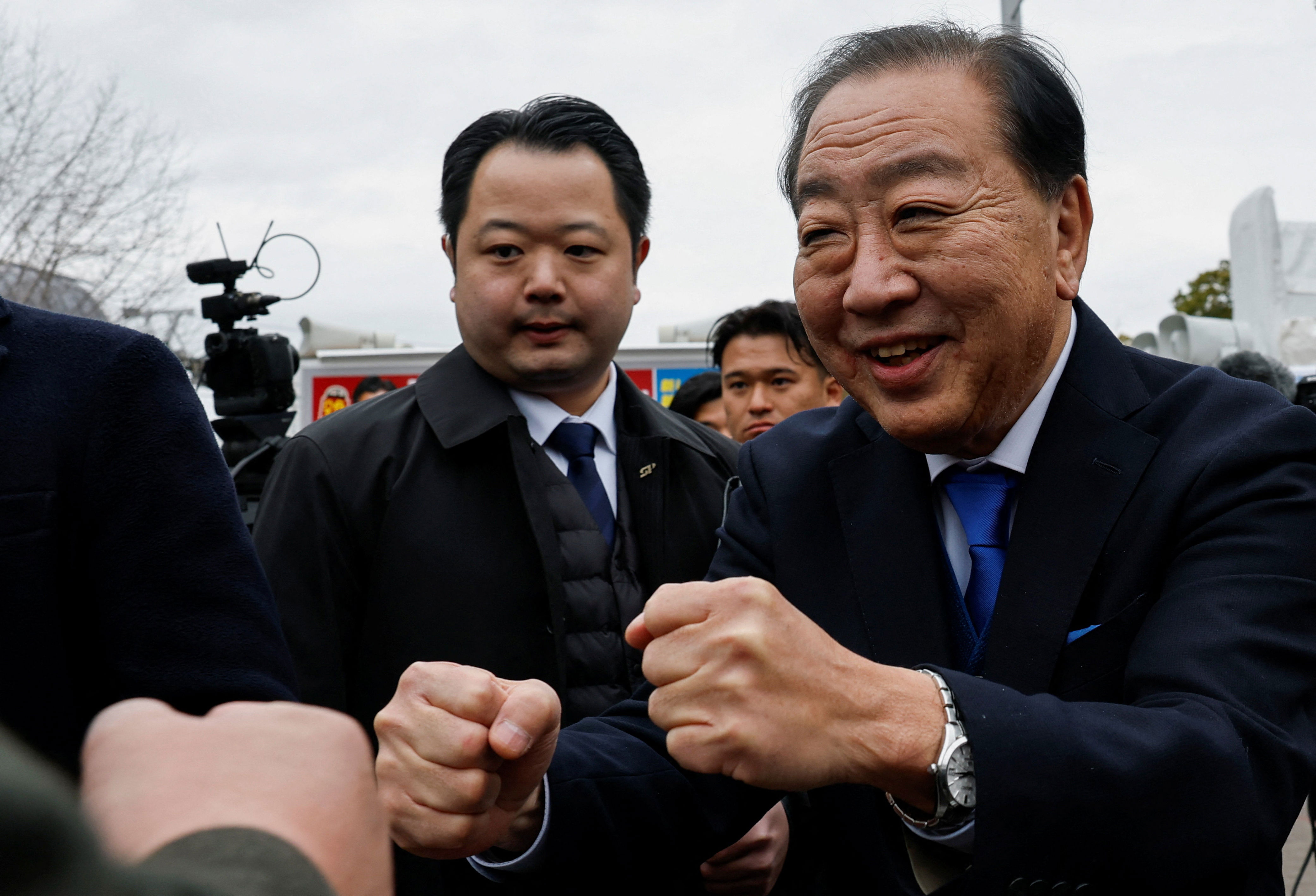
Sanseito:The conservative populist party is running its campaign ona “Japanese First” agenda, merging robust nationalism with resistance to globalism, immigration, and what it perceives as policies driven by the elite. The party, led by Sohei Kamiya, gained visibility by exploiting public frustration over economic stagnation, inflation, overtourism, and swift social transformation.
It is advocating for more rigorous immigration regulations, stronger defense strategies, tax reductions, and targeted welfare aimed at Japanese nationals, employing anti-establishment rhetoric and online platforms to engage younger, disenchanted voters.
Conservative Party of JapanFollowing Japan's enactment of the LGBT Understanding Promotion Act in 2023, author Naoki Hyakuta and journalist Kaori Arimoto established the party against it.
The party claims it aims to "safeguard Japan's national system and traditional culture," and is characterized by a far-right nationalist perspective, which includes a tendency to minimize the nation's wartime activities, particularly the Nanjing Massacre in China.
Reiwa Shinsengumi:A progressive, anti-establishment political group was established in 2019 by Taro Yamamoto, a former actor who transitioned into a legislative role. The party emphasizes fairness and diversity, promoting initiatives such as eliminating the sales tax, rejecting nuclear energy, increasing salaries, implementing a universal basic income, reversing Japan's 2015 security legislation, and enhancing support for individuals with disabilities and animals.
It also strongly rejects constitutional amendments that it claims will increase the state's authority.
The political group attracted notice after selecting legislators who have significant disabilities, leading to changes in parliamentary accessibility.

How many contenders are involved?
Over 1,200 contenders are competing for the 465 seats in the lower house, with 289 determined in local areas and 176 allocated via a proportional representation method where voters select a party on a separate ballot within broader regional groups, enabling smaller parties to gain representation according to their overall popularity.
The LDP is putting forward the highest number of candidates, with the Centrist Reform Alliance, Ishin, and the Democratic Party for the People coming next.
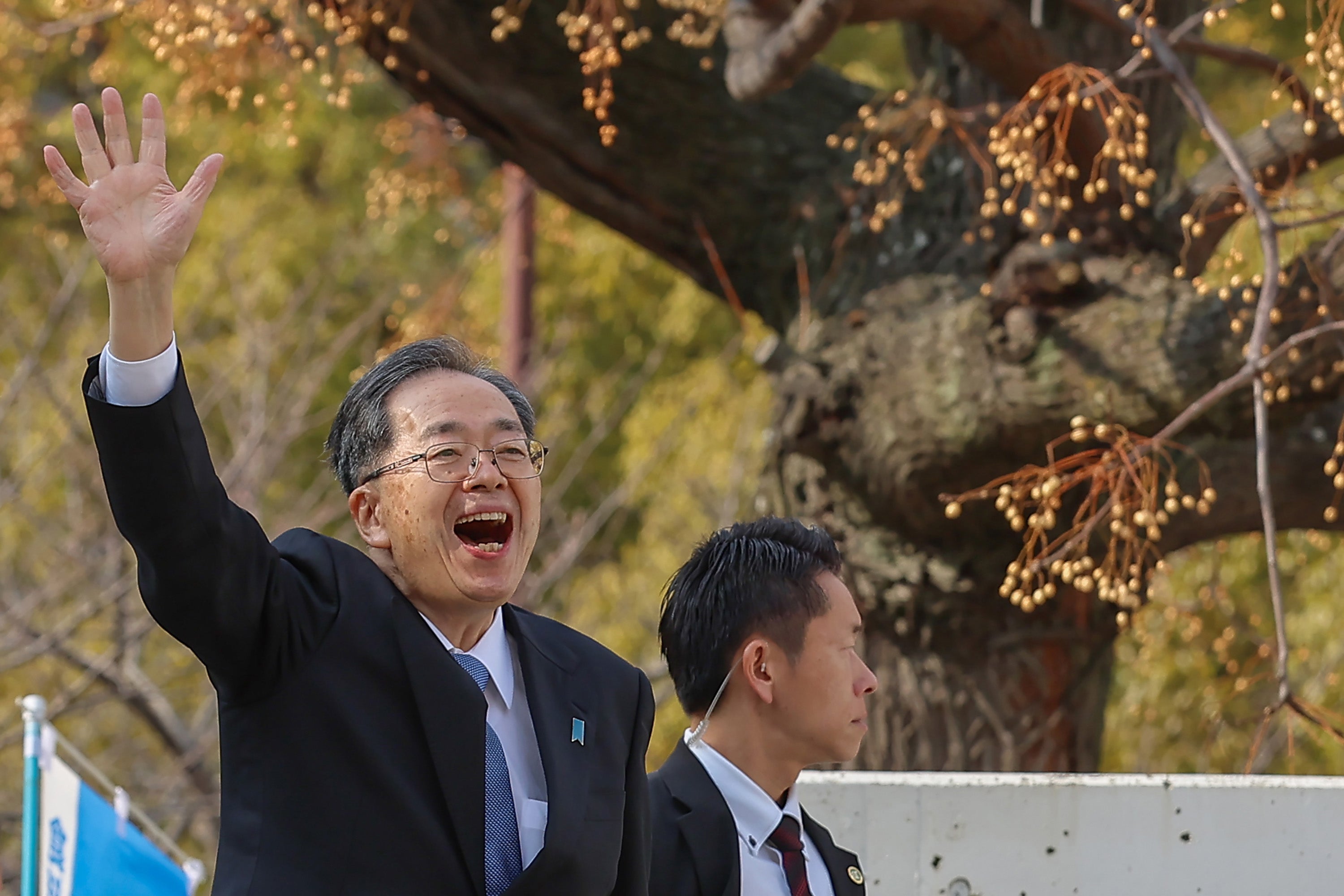
What could a win for Takaichi imply?
A new Kyodo News poll indicated that Takaichi's coalition is likely to gain a majority in the lower house. The survey estimated the coalition would secure 233 or more out of 465 seats, reinforcing the prime minister's authority to continue with her financial and policy plans.
Experts caution that a win for Takaichi could lead to a "new aggressive, anti-welfare, and anti-immigrant period."
Takaichi will require support from the upper house, and with Komeito no longer part of the coalition, her remaining choices are right-leaning parties like Ishin and Sanseito, according to Estevez-Abe. These allies are expected to advocate for aggressive, nationalistic, and anti-welfare policies, which could result in limited oversight of extreme or dangerous government decisions, she adds.
In conclusion, if Takaichi is victorious," she contends, "the market could be the sole restraint remaining to prevent her government from pursuing misguided actions.
Individual readers are self-directed global citizens. They are not limited by conventional demographics or characteristics, but rather by their perspectives. In today's more divided society, groups appreciate genuine facts and honest viewpoints directly provided by a neutral news source they can rely on. Equipped with knowledge and motivation, Independent readers are enabled and prepared to advocate for their convictions.
Comments
Post a Comment